







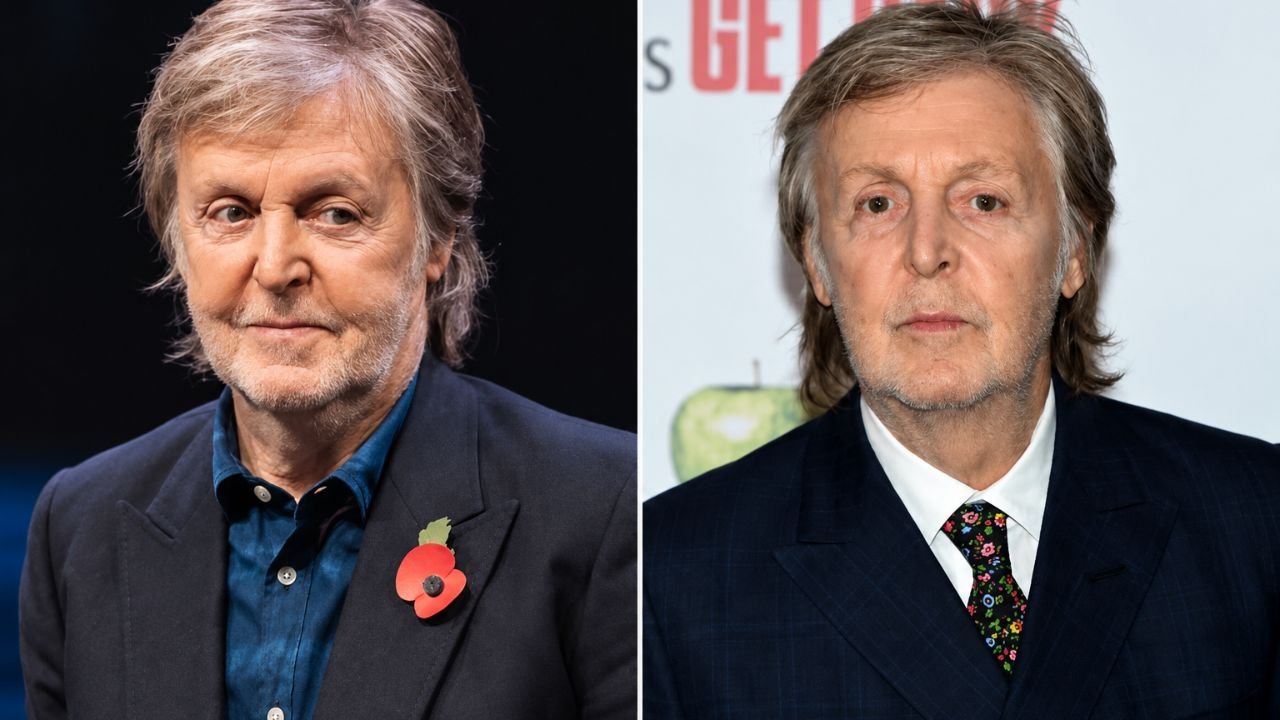
Paul McCartney is one of the most influential musicians in modern music history, with a career that began in post-war Liverpool and grew into a worldwide musical legacy. He became famous as a member of The Beatles, where his work as a singer, bassist and songwriter helped shape some of the most recognizable songs of the 20th century. After The Beatles ended, he built another successful career with Wings before continuing as a solo artist, composer and live performer. His personal life, family, friendships and creative partnerships have also played an important role in the story of his career.
Even after more than six decades in professional music, Paul McCartney has continued to record new material and perform for audiences around the world. His life includes his early friendship with John Lennon and George Harrison, his relationship with Jane Asher, his marriage to Linda McCartney, his work with Wings and his later solo projects. In 2026, he added another chapter to that story with the release of The Boys of Dungeon Lane, an album that looks back at memories of his childhood in Liverpool. His career remains closely connected with both the history of The Beatles and his own continuing work as a musician.
Paul McCartney’s Early Life in Liverpool
Paul McCartney was born James Paul McCartney on June 18, 1942, in Liverpool, England. His father, James “Jim” McCartney, was a musician who played piano and led a local band, while his mother, Mary, worked as a nurse and midwife. Music was therefore part of McCartney’s family environment from an early age. Growing up in Liverpool during the years surrounding and following the Second World War also gave him experiences that would later appear in his songwriting.
McCartney attended the Liverpool Institute for Boys, where he developed an interest in literature, art and music. His mother died when he was only 14 years old, a personal loss that later became part of the emotional background of several songs associated with his career. During his teenage years, he became increasingly interested in guitar and songwriting. Liverpool’s active music scene also gave young musicians opportunities to meet, perform and develop their own styles.
Meeting John Lennon
One of the most important moments of Paul McCartney’s teenage years came in 1957 when he met John Lennon at a church fête in Woolton, Liverpool. Lennon was performing with The Quarrymen, and McCartney was introduced to him after the performance. McCartney’s musical ability impressed Lennon, and he was eventually invited to join the group. George Harrison later became another key member of the developing band.
The friendship between Paul McCartney and John Lennon eventually became one of the most famous creative partnerships in popular music. Their songwriting partnership was credited as Lennon-McCartney, even though many songs were written primarily by one member or the other. Their different personalities and musical interests created a combination that helped The Beatles develop a remarkably varied catalog. The relationship also changed as the group became more successful and its music became increasingly ambitious.
Paul McCartney and The Beatles
Paul McCartney became one of the central members of The Beatles alongside John Lennon, George Harrison and Ringo Starr. The group moved from Liverpool performances to Hamburg clubs and eventually to international fame during the early 1960s. McCartney played bass guitar, sang lead and harmony vocals and contributed extensively to songwriting and musical arrangements. His melodic style became one of the defining features of the band’s sound.
During The Beatles’ career, Paul McCartney was involved with many songs that became international classics. Some of the best-known compositions associated with him include “Yesterday,” “Hey Jude,” “Let It Be,” “Eleanor Rigby,” “Blackbird” and “Penny Lane.” His songwriting covered everything from simple love songs to ambitious studio compositions. His ability to combine memorable melodies with detailed arrangements helped establish his individual identity within the group.
Paul McCartney’s Role in the Band
McCartney’s role expanded as The Beatles moved from their early pop style into more experimental music. He became increasingly interested in orchestration, studio production and unusual combinations of instruments. Albums such as Sgt. Pepper’s Lonely Hearts Club Band, The Beatles and Abbey Road demonstrated how far the group had moved from its early live performances.
The Beatles eventually stopped performing together as a working group and officially ended in 1970. By then, the four members had developed individual musical interests and faced complicated personal and business disagreements. For McCartney, the end of The Beatles meant starting another chapter rather than ending his career. He soon began working on solo music and preparing for a new band.
How Old Is Paul McCartney?
People frequently search for “how old is Paul McCartney” because his career has lasted for more than six decades. Paul McCartney was born on June 18, 1942, making him 84 years old in September 2026. He first became involved in professional music as a teenager and reached worldwide fame in his early twenties with The Beatles. He has remained active in music well into his eighties.
Paul McCartney’s age is particularly notable because he has continued to create new material rather than relying only on his earlier work. His career has included Beatles recordings, Wings albums, solo projects, classical compositions and collaborations with musicians from different generations. His ability to move between different musical styles has helped him maintain a distinctive identity throughout several eras of popular music.
Paul McCartney and Jane Asher
Paul McCartney and Jane Asher began their relationship in 1963 after meeting at the Royal Albert Hall in London. Asher was covering a Beatles performance for Radio Times when the two first met. Their relationship continued for several years, and McCartney spent considerable time at the Asher family home on Wimpole Street.
Jane Asher was an actress and later became an author and businesswoman. Her relationship with McCartney became part of the public story surrounding The Beatles during the 1960s. Several Beatles songs have been associated with McCartney’s relationship with Asher, including “And I Love Her,” “Things We Said Today,” “I’m Looking Through You” and “For No One.” These connections are frequently discussed by Beatles historians, although not every claim about the inspiration behind individual songs has been confirmed by McCartney himself.
Paul McCartney and Jane Asher’s Engagement
McCartney and Asher became engaged on Christmas Day in 1967. Their engagement attracted considerable attention because both were already well-known figures in British popular culture. However, their relationship ended in 1968 after several years together. Asher publicly confirmed their separation during a television appearance.
The end of their relationship came during a period of major change for The Beatles and for McCartney personally. Soon afterward, McCartney’s life moved in another direction, eventually leading to his marriage to Linda Eastman. His relationship with Jane Asher remains an important part of his 1960s biography because of the amount of time they spent together and the songs connected with that period.
Paul McCartney and Peter Asher
Paul McCartney also had an important connection with Peter Asher, Jane Asher’s older brother. Peter Asher became famous as one half of the musical duo Peter & Gordon. Because of his relationship with Jane, McCartney became familiar with Peter Asher, and their connection eventually crossed into music.
McCartney wrote “A World Without Love,” which Peter & Gordon recorded and released in 1964. The song became a major international hit and helped establish Peter & Gordon as successful recording artists. McCartney’s connection with Peter Asher therefore extended beyond family association and became part of the wider network surrounding British pop music during the 1960s.
Peter Asher later moved into record production and music management. He worked with major artists including James Taylor and Linda Ronstadt, becoming an important figure behind the scenes in the American music industry. His later career provides another connection between McCartney’s Beatles-era story and the wider development of popular music during the following decades.
Paul McCartney After The Beatles
Following the breakup of The Beatles, Paul McCartney began working on music outside the group. His first solo album, McCartney, was released in 1970 and featured McCartney performing many of the instruments himself. The album included “Maybe I’m Amazed,” a song that became one of the most enduring recordings of his early solo career.
The transition from The Beatles to solo work was not simple. McCartney had spent nearly a decade working within one of the most successful bands in history, and the breakup generated considerable public discussion. Instead of trying to recreate The Beatles, he began building a new musical identity. His next major step was the creation of Wings.
Paul McCartney and Wings
Wings was formed in 1971 by Paul McCartney, Linda McCartney and musician Denny Laine. The band gave McCartney a new platform for songwriting, recording and touring after the Beatles breakup. Its lineup changed several times, but McCartney and Linda remained central figures throughout the group’s major period.
Wings eventually became one of the most successful rock bands of the 1970s. Their music included both commercial pop songs and more ambitious rock recordings. Some of the most recognizable songs associated with Wings include:
- “Band on the Run”
- “Jet”
- “Live and Let Die”
- “Listen to What the Man Said”
- “Silly Love Songs”
- “Mull of Kintyre”
- “With a Little Luck”
The album Band on the Run became particularly important to McCartney’s post-Beatles career. It demonstrated that he could create a successful band identity after The Beatles and continue producing music that reached a large international audience. Wings also returned McCartney to extensive live performance, allowing him to build a new relationship with audiences who had originally known him through The Beatles.
Wings eventually ended in 1981 after roughly a decade of recording and performing. Although the band was no longer active, its music remained an important part of McCartney’s catalog. Songs from the Wings period continue to appear alongside Beatles and solo material in discussions of his career.
Paul McCartney’s Solo Career
Paul McCartney continued releasing music after Wings ended. His solo catalog includes albums such as Tug of War, Flowers in the Dirt, Flaming Pie, Chaos and Creation in the Backyard, Memory Almost Full and McCartney III. His work during these decades covered different musical styles while retaining the melodic approach that had become associated with his songwriting.
McCartney also collaborated with musicians from different generations and backgrounds. His recordings have included traditional rock and pop songs as well as experimental material. He has repeatedly demonstrated an interest in exploring new recording techniques while also returning to familiar songwriting methods.
His solo career has also allowed him to revisit subjects that have personal meaning. Family, childhood, relationships, friendship and memories of Liverpool have appeared repeatedly throughout his later work. Instead of treating his early career as something completely separate from his later music, McCartney has often used experiences from his past as creative material.
Paul McCartney’s Classical Music
Although Paul McCartney is best known for rock and pop music, his work extends into classical composition. He has written large-scale pieces including Liverpool Oratorio, Standing Stone, Working Classical and Ecce Cor Meum. These projects allowed him to work with orchestras and explore musical structures that are very different from the standard pop song.
His classical work also demonstrates the broad range of his musical interests. Rather than concentrating exclusively on guitar-based music, McCartney has experimented with orchestration, choirs and longer compositions. These projects became an important part of his artistic development outside The Beatles and Wings.
Paul McCartney’s Family and Children
Family has remained an important part of Paul McCartney’s personal story. He married Linda Eastman in 1969, and the couple remained together until her death in 1998. Linda became an important part of McCartney’s musical life as a member of Wings, where she performed keyboards and vocals.
McCartney has five children: Heather, Mary, Stella, James and Beatrice. Heather was adopted by McCartney after his marriage to Linda, while Mary, Stella and James were born during his marriage to Linda. Beatrice was born during McCartney’s later marriage to Heather Mills.
His children have followed different professional paths. Mary McCartney became known for her work as a photographer and filmmaker, while Stella McCartney developed an international career in fashion. James McCartney has also worked as a musician and songwriter, continuing the family’s connection with music.
McCartney later married Nancy Shevell in 2011. His family life has continued alongside his music career, although he has generally maintained a distinction between his public work and private family relationships.
Paul McCartney’s Awards and Achievements
Paul McCartney has received recognition from major music organizations and institutions throughout his career. His achievements include numerous Grammy Awards, induction into the Rock & Roll Hall of Fame and a British knighthood. His work with The Beatles, Wings and as a solo artist has contributed to his long record of recognition.
Some major achievements associated with Paul McCartney include:
- Major international success with The Beatles
- Successful career with Wings
- Decades of solo recordings
- Multiple Grammy Awards
- Rock & Roll Hall of Fame recognition
- British knighthood in 1997
- Extensive international touring
- Classical music compositions
- Continued songwriting and recording into his eighties
His awards represent only part of his career. The broader significance of McCartney’s work can also be seen in the number of musicians who have cited The Beatles and his songwriting as influences. His songs have been covered by artists across generations, while his recordings continue to be studied and revisited.
Paul McCartney and Bob Dylan
Paul McCartney and Bob Dylan are two major figures from the same generation of popular music, and their careers crossed at several points. Dylan’s songwriting had an influence on The Beatles during the 1960s, particularly as the group became more interested in personal and socially aware songwriting. The Beatles and Dylan also met during the band’s early years of international fame.
McCartney and Dylan later appeared on the lineup for the 2016 Desert Trip festival in California. The festival brought together several major artists from the history of rock music. McCartney and Dylan performed separately rather than operating as a regular joint touring act. Their connection is therefore better understood as part of the wider musical relationship between two influential artists than as an ongoing collaboration.
Paul McCartney’s Famous Höfner Bass
The Höfner violin-shaped bass became one of the most recognizable instruments associated with Paul McCartney. He first used the bass during the Beatles years, and its distinctive shape eventually became closely linked with his image. The instrument was particularly practical for McCartney because of its symmetrical design, allowing him to play it comfortably as a left-handed musician.
The Höfner bass also became an important part of Beatles visual history. Photographs and television appearances frequently showed McCartney playing the instrument, making it almost as recognizable as the musician himself. The story of his original bass and efforts surrounding its disappearance and recovery has attracted considerable attention from Beatles fans over the years.
Paul McCartney’s New Album The Boys of Dungeon Lane
In 2026, Paul McCartney released The Boys of Dungeon Lane, a new solo album that marked another stage in his long recording career. The album was released on May 29, 2026, and arrived more than five years after his previous solo album. Producer Andrew Watt worked with McCartney on the project, which developed from recording sessions carried out between other commitments.
The album is strongly connected with McCartney’s childhood memories. Several songs reflect on post-war Liverpool, his family and the experiences he shared with John Lennon and George Harrison before The Beatles became internationally famous. The title refers to Dungeon Lane, an area connected with the Liverpool surroundings where McCartney grew up.
The album contains 14 tracks, including:
- “As You Lie There”
- “Lost Horizon”
- “Days We Left Behind”
- “Ripples in a Pond”
- “Mountain Top”
- “Down South”
- “We Two”
- “Come Inside”
- “Never Know”
- “Home to Us”
- “Life Can Be Hard”
- “First Star of the Night”
- “Salesman Saint”
- “Momma Gets By”
The project is notable because it looks further back than the Beatles years. Instead of focusing only on the period when he became famous, McCartney uses new songs to revisit the world he knew as a child and teenager. This gives listeners another perspective on the experiences that eventually shaped one of the most successful songwriting careers in music.
Paul McCartney Tour and Live Performances
Live performance has been an important part of Paul McCartney’s career from his early days in Liverpool through The Beatles, Wings and his solo years. After The Beatles ended, he initially faced uncertainty about returning to the stage with another band. Wings eventually gave him the opportunity to perform again, and touring became a major part of his post-Beatles career.
In later decades, McCartney’s concerts have combined songs from different periods of his career. Beatles classics, Wings songs and solo material have all appeared in his live performances. This has allowed audiences from different generations to experience different parts of his catalog during the same concert.
His recording schedule has also continued alongside touring. Work on The Boys of Dungeon Lane developed during periods between other professional commitments, showing how recording and live performance have remained connected throughout his later career. Anyone searching for current Paul McCartney tour information should check his latest official announcements because concert schedules can change during the year.
What Is Paul McCartney Doing Now?
Paul McCartney continues to work on music and projects connected with his career in 2026. The release of The Boys of Dungeon Lane has placed new attention on his songwriting and his childhood memories of Liverpool. At the same time, his older work continues to receive attention through archival releases, exhibitions and celebrations of The Beatles and Wings.
The continuing interest in Wings has also highlighted an important period of McCartney’s career that began after The Beatles. His work with Linda McCartney and the other members of Wings helped him establish a second major band rather than simply becoming a former Beatle who performed old songs.
McCartney’s current work shows that his career has never been limited to one musical period. His story now includes The Beatles, Wings, decades of solo albums, classical compositions, collaborations, international tours and new recordings released more than sixty years after his professional career began.
Frequently Asked Questions About Paul McCartney
How old is Paul McCartney?
Paul McCartney was born on June 18, 1942, in Liverpool, England. He is 84 years old as of September 2026. He began performing music professionally as a teenager and became internationally famous with The Beatles during the 1960s.
What is Paul McCartney best known for?
Paul McCartney is best known as a member of The Beatles and as one half of the Lennon-McCartney songwriting partnership. He is also known for his work with Wings and his extensive solo career. His music includes rock, pop, classical and experimental projects.
Is Paul McCartney still making music?
Yes, Paul McCartney continues to make music. His 2026 album The Boys of Dungeon Lane marked another new chapter in his solo career. The album focuses partly on his childhood memories and early experiences in Liverpool.
Was Paul McCartney married to Jane Asher?
No, Paul McCartney and Jane Asher were never married. They were in a serious relationship during the 1960s and became engaged in 1967. Their engagement ended in 1968, after which McCartney’s personal life moved in a different direction.
What is Paul McCartney’s connection to Peter Asher?
Peter Asher was Jane Asher’s older brother and was one half of the successful duo Peter & Gordon. Paul McCartney wrote “A World Without Love,” which became a major hit for Peter & Gordon in 1964. Peter Asher later became a successful record producer and worked with artists including James Taylor and Linda Ronstadt.
Conclusion
Paul McCartney’s life and career stretch across some of the most important periods in modern popular music. From his childhood in Liverpool and teenage friendship with John Lennon to his years with The Beatles, Wings and his solo career, his story covers more than six decades of songwriting and performance. His connections with Jane Asher and Peter Asher also provide important links to the wider British music scene of the 1960s, while his family life with Linda McCartney and his children forms another major part of his personal history.
In 2026, Paul McCartney continues to add new chapters to that story. The Boys of Dungeon Lane brings his childhood memories and early Liverpool experiences into a new collection of songs, while renewed interest in Wings highlights the career he built after The Beatles. His continuing work demonstrates how his musical journey has developed far beyond the band that first made him famous.