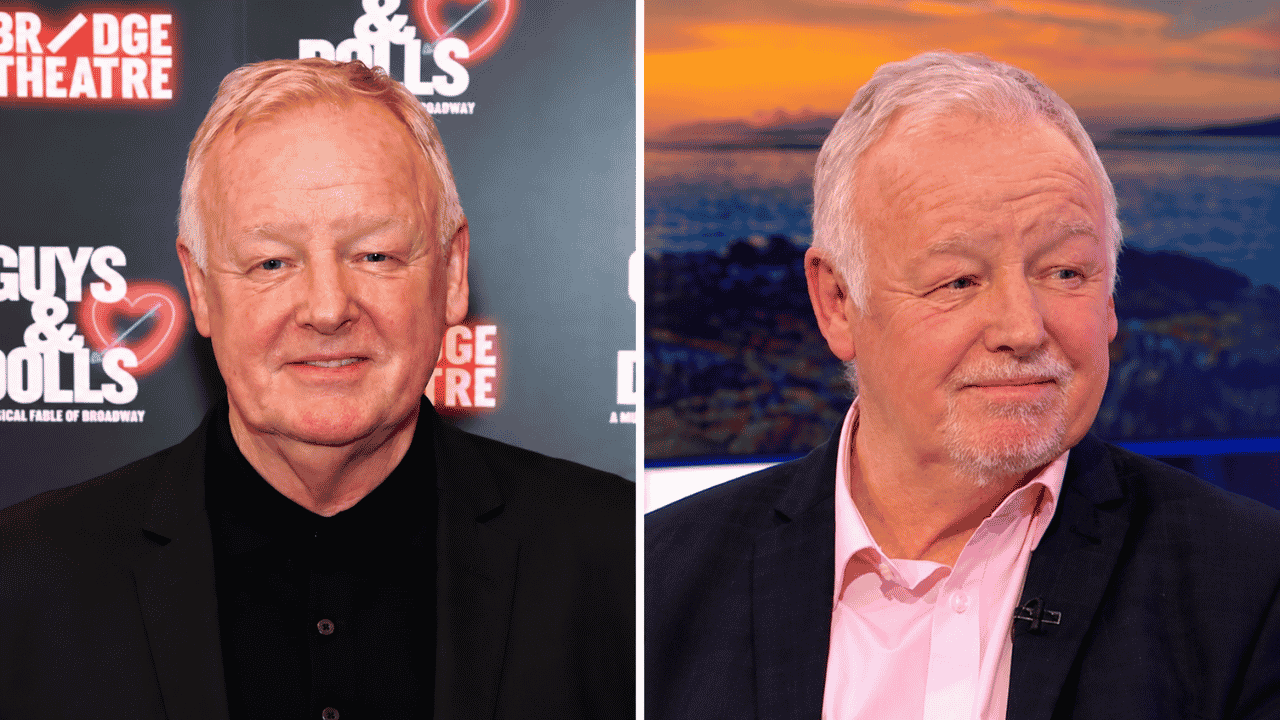









Ed Bye is a British television and film director whose career has been closely connected with some of the best-known comedy programmes in the UK. His work includes Red Dwarf, Bottom, The Young Ones, The Vicar of Dibley and My Family, giving him a long association with British television comedy. Although he has directed films as well, television has remained the larger part of his career. His professional journey also includes BBC production work, producing credits and a long-standing connection with performers and writers from British comedy.
Born in June 1955 in London, Ed Bye entered television at a time when British comedy was becoming an important part of BBC programming. He worked behind the scenes before moving into directing, gradually building experience across production and comedy programmes. His career later expanded into feature films and television movies, while his personal life attracted attention because of his marriage to comedian and broadcaster Ruby Wax. Today, his career provides an interesting look at how a television professional can move from production roles into directing some of Britain’s most recognisable comedy shows.
Ed Bye Early Life and Background
Ed Bye was born Edward Richard Morrison Bye in London in June 1955. His background included a connection to the Royal Marines through his father, Colonel Francis Clifford Edward Bye, OBE. Bye later developed an interest in television and production, eventually entering the BBC and beginning the professional journey that would lead to his directing career. His early experiences behind the scenes gave him an understanding of how television programmes were organised before he became established as a director.
Information about his education differs slightly between sources, so it is better to keep this part of his biography straightforward. His background is associated with Mount House School and Ravensbourne College in London, while other records identify Mount Kelly School. What is clearer is the direction his career took after education, as he moved into television production rather than pursuing a conventional film-school route. That practical experience became an important foundation for his later work.
How Ed Bye Started His Television Career
Ed Bye began his professional television career with behind-the-scenes production work at the BBC. Early credits included programmes such as The Two Ronnies, Three of a Kind and Top of the Pops, while he also worked as an assistant floor manager on The Little and Large Show. These positions placed him close to performers, writers, producers and technical crews. Working across different types of programmes helped him understand the pace and demands of television production.
His early work also brought him into contact with British comedy at an important period in its development. The BBC was producing programmes that mixed traditional sketch comedy with newer forms of humour, and Bye gained experience within that environment. Rather than moving immediately into directing, he built his career through production roles and learned how programmes worked from the inside. That background later became useful when he began taking responsibility for directing complete episodes and series.
Ed Bye and The Young Ones
The Young Ones became one of the notable programmes associated with the early part of Ed Bye’s career. The BBC comedy helped establish a different style of British television humour, combining surreal situations, punk-inspired energy and unconventional characters. Bye was involved with the programme in production roles and became part of the creative environment surrounding its episodes. His connection with the show placed him among the television professionals working during an influential period for British alternative comedy.
The experience was valuable because The Young Ones required a different approach from more traditional studio sitcoms. Its style depended on quick changes, unusual situations and a strong rhythm between scripted comedy and performance. Working on a programme like this gave Bye further experience with the demands of comedy production. It also helped prepare him for the directing work that would become the central part of his career.
Ed Bye and Girls on Top
Girls on Top was another important stage in Ed Bye’s development as a director. The sitcom featured a cast that included Ruby Wax, Dawn French, Jennifer Saunders and Tracey Ullman, bringing together several performers who would become major names in British comedy. Bye directed the second series, giving him an opportunity to take greater responsibility for the presentation and timing of a television sitcom. The programme is also significant in his personal biography because it connected him with Ruby Wax.
Bye and Wax later married in 1988. Their relationship therefore developed alongside their professional connection within British television. This is an interesting part of his story because his personal life was closely linked to the same comedy environment in which his career was developing. Their marriage later became one of the more frequently mentioned aspects of his biography.
Ed Bye and Red Dwarf
Red Dwarf is one of the most important parts of Ed Bye’s directing career. The science-fiction comedy became a major British television success and developed a loyal audience over many years. Bye directed a large number of episodes, with his credits covering important periods in the show’s history. His work helped shape the visual presentation and comic timing of episodes featuring the characters Lister, Rimmer, Kryten, Cat and Holly.
His directing credits include the first series of Red Dwarf, beginning with The End and continuing through episodes such as Future Echoes, Balance of Power, Waiting for God, Confidence & Paranoia and Me². He also returned to the programme for later series, giving him a much longer association with the show than a single production period. Records of his work on Red Dwarf list dozens of directed episodes, demonstrating the scale of his involvement. He also held producing responsibilities on a number of episodes.
The importance of Red Dwarf to Ed Bye’s career goes beyond the number of episodes he directed. The programme required a director to balance sitcom performances with science-fiction sets, visual effects, unusual locations and a distinctive comic rhythm. Bye’s experience in comedy production allowed him to handle those different elements while keeping the performances at the centre of the story. His contribution is therefore part of the show’s production history as well as his own career biography.
Ed Bye and Bottom
Bottom is another major title associated with Ed Bye. The sitcom starred Rik Mayall and Adrian Edmondson as Richie and Eddie, two characters whose disastrous schemes formed the basis of the show’s physical and often chaotic humour. Bye directed the complete 12-episode television run across its first two series. He was also involved as a producer and director, giving him a substantial role in shaping the programme.
The directing demands of Bottom were different from those of a conventional dialogue-based sitcom. Physical comedy required careful planning, timing and coordination between performers and production teams. Mayall and Edmondson’s performances relied heavily on movement, reactions and carefully constructed comic situations. Bye’s work helped translate that style into a television format that became one of the recognisable comedy productions of the early 1990s.
Ed Bye Movies and Film Work
Although Ed Bye is best known for television, his career also includes feature films and television movies. His film work is smaller than his television output, which is why describing him primarily as a film director would not accurately represent his career. His better-known film credits include Kevin & Perry Go Large, Fat Slags and Round Ireland with a Fridge. He also directed Death on the Tyne, which was made for television.
Some of the films associated with Ed Bye include:
- Kevin & Perry Go Large
- Fat Slags
- Round Ireland with a Fridge
- Death on the Tyne
Kevin & Perry Go Large was released in 2000 and expanded the popular comedy characters from Harry Enfield’s television work into a feature-length story. Fat Slags followed in 2004 and was based on the comic characters from Viz. Round Ireland with a Fridge arrived in 2010 and was based on Tony Hawks’ travel book. These projects demonstrate that Bye’s career was not restricted to sitcom episodes, although television remained his strongest professional field.
Other Television Shows Directed by Ed Bye
Ed Bye’s television credits extend far beyond Red Dwarf and Bottom. His career includes work on programmes from different periods of British comedy, allowing him to work with performers and writers across several generations. His credits include The Vicar of Dibley, My Family, The Detectives, French & Saunders, Absolutely Fabulous, Not Going Out and Vicious. He also worked on later comedy productions including Death on the Tyne, Dial M for Middlesbrough and Murder, They Hope.
Some notable programmes associated with his directing career include:
- The Young Ones
- Girls on Top
- Red Dwarf
- Bottom
- The Vicar of Dibley
- My Family
- Not Going Out
- Vicious
- Death on the Tyne
- Dial M for Middlesbrough
- Murder, They Hope
The variety of these credits shows why his career is difficult to reduce to one programme. He worked with different comedy styles, from surreal humour and physical comedy to traditional studio sitcoms and modern television mysteries. That range is one of the strongest features of his professional history. It also explains why his name continues to appear across British television credits from several decades.
Ed Bye as a Producer
Directing was not the only responsibility Ed Bye took on during his career. His work also includes producing credits, particularly on programmes where he had a long involvement with the production. His experience in production before becoming a director gave him a practical understanding of budgets, crews, schedules and the demands of television studios. That combination of production and directing experience helped him work across different types of programmes.
In 2011, Ed Bye co-founded the production company Tall TV with Tim Dawson and Susan Nickson. The company added another dimension to his career because it allowed him to become involved in television production beyond individual directing assignments. His work as a producer reflects the broader responsibilities he has taken on throughout his career. It also shows that his experience extends beyond the role of directing actors and scenes.
Ruby Wax Husband Ed Bye
Ed Bye is widely known as Ruby Wax’s husband because of his long marriage to the American-born British comedian, broadcaster and writer. The pair met while working within the British television comedy industry and married in 1988. Their relationship has remained an important part of biographical coverage of both figures. They have also raised three children together.
Their professional backgrounds made the relationship particularly interesting to television audiences. Ruby Wax developed a career as a comedian, interviewer, actress and writer, while Ed Bye built his reputation behind the camera. Their careers therefore occupied different sides of the same entertainment industry. This connection also meant that their family life developed alongside two demanding careers in British television.
Ed Bye Children
Ed Bye and Ruby Wax have three children: Max, Madeleine and Marina. Their children have largely maintained lives away from the intense public attention experienced by their parents, although some information about their careers has become public. Madeleine and Marina have developed connections with comedy, following a path that has some similarities to their father’s professional world. Their family therefore has a strong connection with British entertainment without all of its members pursuing the same role.
Marina Bye and Madeleine Bye have worked together as the comedy duo Siblings. Their work provides an interesting link between Ed Bye’s career and the next generation of the family. While Ed built his reputation as a director and producer, his daughters have pursued comedy through performance. This makes the family’s connection to British comedy broader than simply Ed Bye’s directing credits.
Ed Bye Net Worth
There is no reliable publicly verified figure that establishes Ed Bye’s exact net worth. Websites sometimes publish estimated figures for television personalities and directors, but these estimates are not necessarily based on documented financial records. His earnings would have come from a long career involving directing, producing and other television work, but his private financial arrangements have not been publicly disclosed in a dependable way. It is therefore better to avoid presenting an unsupported amount as fact.
What can be established is the scale and length of his professional career. Ed Bye has worked on major British television programmes, directed feature films and television movies, and taken on production responsibilities. He has remained active across several decades, giving him a substantial body of professional work. His career history provides stronger evidence of his professional success than an unverified net-worth estimate would.
Ed Bye and British Sitcoms
One of the most interesting aspects of Ed Bye’s later career is his view of how British sitcoms are produced. In a 2026 Royal Television Society discussion, he spoke about the changing place of studio-audience sitcoms in British television. He argued in favour of the energy created by a live audience and discussed the value of having more jokes within a comedy programme. His comments provide a rare opportunity to understand his perspective on the craft after decades of directing.
The discussion also highlighted a practical problem facing traditional sitcom production. Recording with a studio audience can cost more and requires additional planning, which has contributed to the decline of the format. Programmes such as Not Going Out and Mrs Brown’s Boys remain examples of British sitcoms using studio audiences, but the approach is less common than it once was. Bye’s comments are particularly relevant because much of his career was built around the studio comedy environment.
What Is Ed Bye Doing Now?
Ed Bye has continued to receive directing credits well beyond the period when his best-known programmes first appeared. His later work includes Murder, They Hope and related productions such as Blood Actually: A Murder They Hope Mystery and Apocalypse Slough. These credits demonstrate that his career did not end with the classic sitcoms of the 1980s and 1990s. He has continued working in British television while adapting to changes in the comedy industry.
His 2026 appearance at a Royal Television Society event also shows that he remains engaged with discussions about television and comedy. Appearing alongside comedian Jason Cook, he reflected on his career and the changes taking place in British sitcom production. For readers interested in his current activities, this provides a more useful picture than simply listing old television credits. It shows that Ed Bye remains connected to the television industry and its ongoing creative debates.
Why Ed Bye Remains Important to British Television
Ed Bye’s career covers several generations of British comedy. He worked on programmes connected with the alternative comedy boom, directed major sitcoms such as Bottom and Red Dwarf, and later worked on programmes including My Family, Not Going Out and Murder, They Hope. Few directors can point to such a broad collection of recognisable British comedy titles. His career is therefore useful for understanding how television comedy changed from the 1980s through to the 2020s.
His contribution is also interesting because he worked behind the camera rather than becoming the public face of the programmes he helped create. Viewers may recognise the actors, characters and writers more readily than the director, yet the director plays a central role in translating scripts and performances into finished television. Ed Bye’s long list of credits illustrates how much influence a director can have without becoming a household name. His career remains closely tied to some of the UK’s most remembered comedy productions.
Frequently Asked Questions About Ed Bye
Who is Ed Bye?
Ed Bye is a British television and film director and producer born in London in June 1955. He is best known for directing British comedy programmes including Red Dwarf and Bottom. His wider credits include The Young Ones, The Vicar of Dibley, My Family and Not Going Out.
What movies did Ed Bye direct?
Ed Bye directed several films and television movies, including Kevin & Perry Go Large, Fat Slags, Round Ireland with a Fridge and Death on the Tyne. His career is much more heavily focused on television than feature films. His television directing work includes a considerably larger number of productions.
Who is Ruby Wax’s husband?
Ruby Wax’s husband is Ed Bye, the British television director and producer. The couple married in 1988 after meeting through the television comedy industry. They have three children together.
How many children do Ed Bye and Ruby Wax have?
Ed Bye and Ruby Wax have three children: Max, Madeleine and Marina. Madeleine and Marina have also developed careers connected with comedy and have performed together as the comedy duo Siblings.
What is Ed Bye’s net worth?
Ed Bye’s exact net worth has not been reliably established through publicly verified financial information. Although websites may publish estimates, those figures should not be treated as confirmed unless supported by dependable evidence. His long career as a television director and producer is well documented, but his personal finances remain private.
Conclusion
Ed Bye has built a remarkable career behind the scenes of British television. From his early BBC production work to directing Red Dwarf, Bottom and many other well-known programmes, his professional history covers several important periods in British comedy. His work also extends into films, television movies and production, giving him a career that is broader than any single programme or genre.
His marriage to Ruby Wax and their three children add another dimension to his biography, particularly because two of his daughters have also developed connections with comedy. At the same time, his later work and 2026 comments about studio-audience sitcoms show that his connection with British television did not end with the classic programmes that made his name. Ed Bye’s career ultimately reflects the work of a director who has remained involved in British comedy for decades while adapting to the changing television industry.