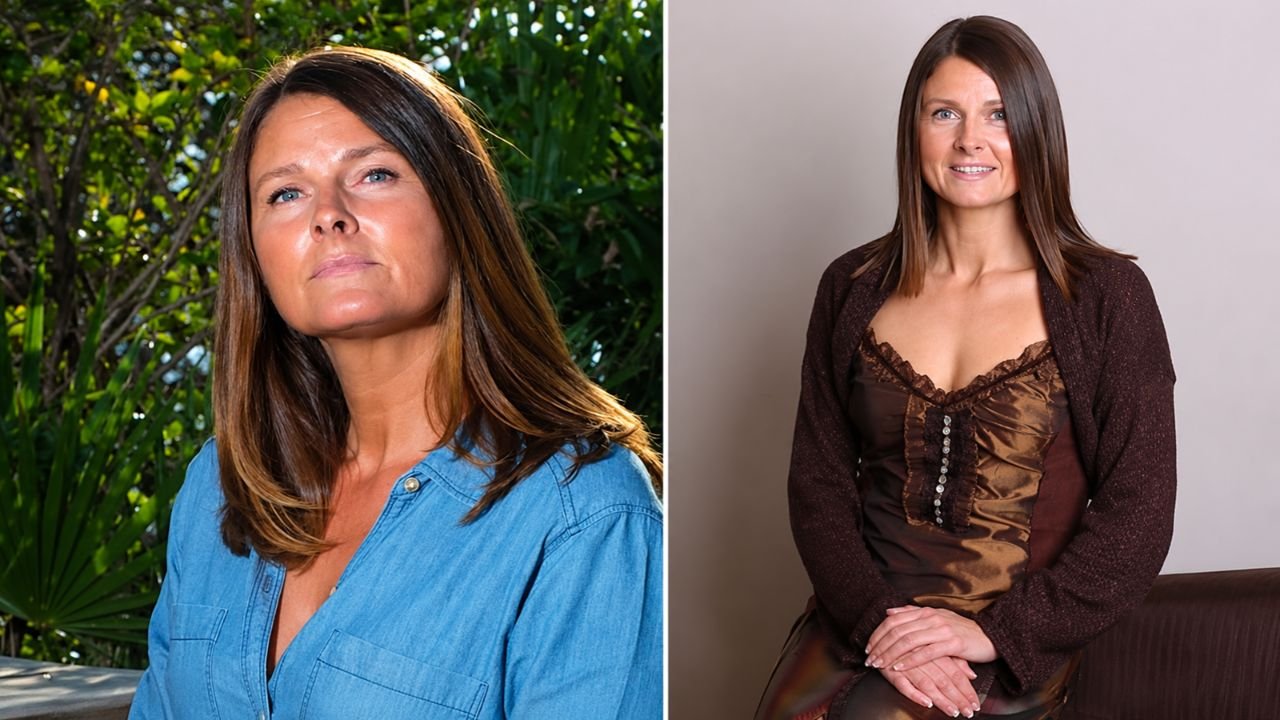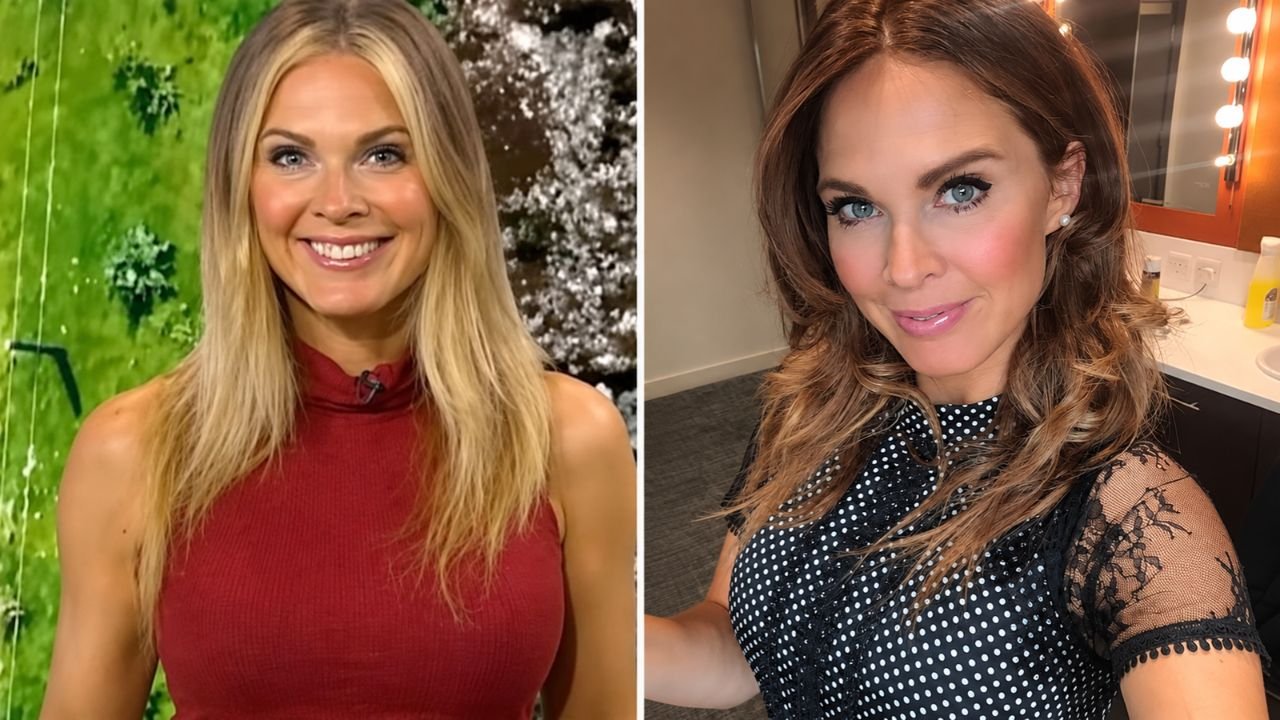










Alice Walton is one of the most recognizable members of the Walton family, but her public career has taken a different path from the traditional Walmart story. As the only daughter of Walmart founder Sam Walton, she inherited a fortune tied to the retail giant, yet she became better known for her work in art, education, healthcare and philanthropy. Her projects have helped reshape Bentonville, Arkansas, while extending access to American art and new approaches to medical education. In 2026, her story is increasingly defined not only by her wealth, but by the institutions she has built around culture, education and community.
Alice Walton’s Early Life and Family Background
Alice Louise Walton was born on October 7, 1949, to Sam and Helen Walton in Newport, Arkansas. She grew up alongside her brothers Rob, Jim and John in a family whose business would eventually become Walmart, one of the world’s largest retailers. Her childhood interest in art developed while she and her mother painted watercolors during family camping trips and hikes in the Ozarks. That early exposure to creativity later became a major influence on the direction of her life and philanthropic work.
One of the most interesting details about Alice Walton’s childhood is that she did not begin collecting art after becoming wealthy. As a young girl, she sold candy and popcorn outside her father’s store in Bentonville to earn spending money. She used some of those earnings to buy a print of Pablo Picasso’s “Blue Nude” from the family five-and-dime store. That small purchase became an early sign of the interest in art that would eventually lead to one of the most important museums in the United States.
Alice Walton’s Education and Early Career
Alice Walton studied business administration at Trinity University and graduated in 1971. Her education gave her a foundation in business and finance, an area that became an important part of her professional life before her philanthropic work took center stage. Although she is closely associated with Walmart because of her family, her career was not built around becoming a major Walmart executive. She briefly worked for Walmart as a buyer of children’s clothing after graduating, but her professional path soon moved toward finance.
Her finance career included positions in investment and banking before she founded Llama Company in 1988. The investment bank became an important chapter in her professional history, and Walton served as its president, chairwoman and chief executive. Llama Company eventually closed in 1998, after which she devoted increasing attention to art, regional development and philanthropy. Her business background is worth mentioning because it shows that Alice Walton’s career included much more than her inherited connection to Walmart.
Alice Walton and the Walmart Fortune
Alice Walton’s wealth comes primarily from her ownership interest in Walmart, the company founded by her father in 1962. Unlike her brothers Rob and Jim, however, she did not make Walmart’s corporate boardroom the center of her career. Her professional interests developed around finance, art collecting, philanthropy and community development. Walmart remains the foundation of her fortune, but the institutions associated with her name tell a different story.
Her estimated net worth changes as the value of Walmart shares moves. In 2026, she ranked among the world’s wealthiest people, with her fortune estimated in the hundreds of billions of dollars depending on the date and valuation used. Because billionaire rankings change with stock prices, a current Alice Walton net worth figure should always be treated as a snapshot rather than a permanent number. Her enormous fortune has provided the financial resources for projects spanning museums, education, healthcare and economic opportunity.
Some key facts about Alice Walton’s wealth include:
- Her primary source of wealth is Walmart.
- She is one of the world’s wealthiest women.
- Her fortune is closely connected to Walmart’s stock value.
- She inherited wealth through the Walton family’s ownership of Walmart.
- Her philanthropic activities have become a major part of her public identity.
Alice Walton’s Role in Northwest Arkansas
Alice Walton’s influence extends beyond art and personal wealth. She became involved in efforts to strengthen Northwest Arkansas and served as the inaugural chairperson of the Northwest Arkansas Council. Her work supported regional development at a time when the area’s rapid growth created a need for better infrastructure and connectivity. One of the projects associated with her regional involvement was the development of Northwest Arkansas Regional Airport.
Her involvement in the airport project demonstrated that her interests were not limited to collecting art or supporting charitable organizations. She understood that better transportation could help businesses, residents and communities throughout the region. The airport eventually became an important part of Northwest Arkansas’s economic infrastructure. Its terminal was later named the Alice L. Walton Terminal Building in recognition of her contribution.
Crystal Bridges Changed Alice Walton’s Public Legacy
Crystal Bridges Museum of American Art is probably the project most closely associated with Alice Walton. She founded the museum in Bentonville, Arkansas, and it opened to the public in November 2011. Built on a large wooded site in the Ozarks, the museum was designed by architect Moshe Safdie and combines American art with the surrounding landscape. One of its defining features is free general admission, allowing people to experience major works without the cost normally associated with large museums.
The collection covers centuries of American art and includes works associated with artists such as Asher Durand, Georgia O’Keeffe, Norman Rockwell, Andy Warhol and Kerry James Marshall. Crystal Bridges also offers educational programs, lectures, performances, classes and teacher development opportunities. Its grounds include trails and outdoor spaces that allow visitors to experience art and nature together. The museum’s success turned Bentonville into a destination for visitors interested in American art and culture.
The Growth of Crystal Bridges
Crystal Bridges continued expanding as its audience and collection grew. A major expansion project was designed to increase the museum’s facilities by roughly 50 percent, adding space for exhibitions, education and public programs. The expansion reflects how the museum developed from a bold idea into a major cultural institution. Its continued growth has also strengthened Bentonville’s reputation as an arts destination.
The museum’s influence extends beyond its main galleries. The Momentary, a contemporary arts venue in Bentonville, opened in 2020 and broadened the cultural programming available to the community. It focuses on contemporary visual and performing arts and has continued the commitment to free access. Together, Crystal Bridges and the Momentary have created a larger cultural network connected to Walton’s vision.
Alice Walton Took American Art Beyond Bentonville
Walton’s interest in making art accessible did not stop at Crystal Bridges. In 2017, she established Art Bridges Foundation to expand access to American art across the United States, particularly in communities where museums may have fewer resources. The organization supports exhibitions, loans, collection sharing and programs that connect museums with their local audiences. This approach allows major works of art to travel instead of remaining concentrated in a handful of large institutions.
The foundation has grown into a significant force in the American museum sector. It has supported museums across the country through financial assistance, artwork loans and collaborative projects. This means Walton’s influence on American art is not limited to the collection housed in Crystal Bridges. Her broader goal is to help people in different parts of the country experience important works of American art.
Alice Walton’s Philanthropy Focuses on Education and Opportunity
The Alice L. Walton Foundation focuses on four broad areas: arts, education, health and economic opportunity. The foundation also emphasizes access and inclusion in the programs it supports. This approach reflects a move toward long-term institutional projects rather than simply making individual charitable donations. Walton’s philanthropic interests have increasingly connected different areas of public life.
Education has been a significant part of this work. In 2017, Walton and her family provided a major gift to establish the School of Art at the University of Arkansas. The initiative was intended to strengthen arts education and give students opportunities to develop professional careers in the creative field. Her education-related giving also extends into museum internships, arts programming and efforts to develop future leaders in the cultural sector.
Some areas associated with her philanthropic work include:
- American art and museums
- Arts education
- Medical education
- Whole-person healthcare
- Economic opportunity
- Community development
- Museum leadership and access
- Programs supporting students and emerging professionals
Alice Walton’s Move Into Healthcare
Alice Walton’s interests eventually expanded from art and education into healthcare. Her experiences with art and nature influenced her thinking about wellness and the environments in which people live and heal. That thinking contributed to the creation of the Heartland Whole Health Institute. The organization promotes an approach to health that considers more than treating individual diseases.
The whole-health concept looks at physical health alongside mental, emotional and social well-being. Walton’s interest in this area eventually led to a much larger project: the Alice L. Walton School of Medicine in Bentonville. The medical school was created to combine traditional medical education with a broader approach to patient care. Its curriculum reflects the idea that doctors should understand the person behind the illness rather than focusing only on symptoms.
Alice L. Walton School of Medicine
The Alice L. Walton School of Medicine was established in 2021 and is designed as a four-year medical program. Its educational model combines conventional medical training with principles centered on whole-person health. The school welcomed its first class of students in 2025, marking an important new chapter in Walton’s philanthropic career. Instead of simply funding an existing medical institution, she helped create a new school based around her own vision of healthcare.
The medical school is closely connected to Walton’s other projects in Bentonville. Its presence near Crystal Bridges and the Heartland Whole Health Institute reflects her interest in bringing art, nature, education and healthcare into the same environment. This creates a clear connection between projects that might otherwise seem unrelated. Walton’s long-term vision is built around the belief that culture and health can influence the quality of people’s lives.
A Connected Vision for Art, Nature and Health
One of the most distinctive aspects of Alice Walton’s philanthropy is the way her major projects connect with one another. Crystal Bridges focuses on art and culture, Art Bridges expands access to American art, the medical school trains future physicians and Heartland Whole Health Institute focuses on broader approaches to wellness. These organizations operate in different fields, but they share an emphasis on access, education and improving communities. Together, they represent a much broader vision than a single museum or charitable foundation.
The Bentonville campus concept brings several of these institutions together across a large area. Visitors can experience art and nature while medical students learn in an environment shaped by those same principles. The combination reflects Walton’s belief that healthcare should not exist separately from the cultural and natural environment around people. It is also one of the clearest examples of how her interests have developed since her childhood fascination with art.
Alice Walton’s Recognition and Influence
Alice Walton has received major recognition for her contributions to art, museums and philanthropy. Her honors include the Smithsonian Institution’s Archives of American Art Medal, the John Cotton Dana Medal for Visionary Leadership in Museums, the Annenberg Award for Diplomacy through the Arts and the Getty Medal. She has also received recognition from organizations focused on women’s leadership and public influence. These awards reflect the growing importance of her cultural and philanthropic work.
Her influence has expanded into healthcare and public leadership as well. She was elected to the American Academy of Arts and Sciences in 2025, recognizing her leadership in business and philanthropy. She was also included in TIME’s 100 Health list in 2025, reflecting the growing importance of her work in healthcare and whole-person wellness. Her recognition across different fields demonstrates how far her public role has moved beyond the Walmart fortune.
Alice Walton’s Personal Interests and Life Outside Business
Although much of the public discussion surrounding Alice Walton focuses on Walmart, art and philanthropy, her personal interests have also influenced her life. She has had a longstanding interest in horses and once owned a large ranch in Texas. Her involvement with cutting horses became another significant interest during the years after she left the investment business. Her life on the ranch represented a quieter period before her attention increasingly returned to art and philanthropy.
Her personal life has largely remained outside the kind of media attention often associated with other wealthy public figures. Walton has instead used much of her public presence to discuss museums, education, healthcare and charitable projects. This has helped create a public image centered more on institutions and ideas than celebrity. Her story is therefore closely tied to the projects she has created rather than an entertainment career or political office.
What Makes Alice Walton Different From Other Billionaire Heirs?
Alice Walton’s story stands out because her professional interests developed in directions that were quite different from those of other members of her family. Her wealth came from Walmart, but she spent part of her career working in finance and eventually moved into art and philanthropy. Rather than becoming the public face of Walmart, she built institutions in areas that personally interested her. Her career shows how inherited wealth can be directed toward projects far removed from the original family business.
Her approach to philanthropy has also involved creating institutions rather than simply writing checks to established organizations. Crystal Bridges became a major museum, Art Bridges developed a national network for sharing American art, and the Alice L. Walton School of Medicine introduced a new educational institution focused on whole-person healthcare. These projects require long-term investment and management. Their development has made Walton a significant figure in American cultural and philanthropic life.
Alice Walton’s Legacy
Alice Walton’s legacy is still developing, but several themes already stand out. She helped make Bentonville a major destination for American art, supported the expansion of arts education and created organizations designed to spread cultural access beyond major cities. Her growing involvement in healthcare has added another dimension to her work. Together, these efforts have created a legacy that reaches into art, education, medicine and regional development.
Her story also shows how personal interests can shape large philanthropic projects. A childhood interest in art eventually became Crystal Bridges, while an interest in wellness helped lead to a medical school and a whole-health institute. The scale of these projects is directly connected to the financial resources available to her through Walmart. Yet the direction of her work reflects choices she made about what she wanted that wealth to accomplish.
Conclusion
Alice Walton is far more than a member of the Walton family or a billionaire whose fortune comes from Walmart. Her career moved through finance before she found a larger public role in art, education, healthcare and philanthropy. Crystal Bridges transformed Bentonville’s cultural identity, while Art Bridges expanded her goal of making American art available to people across the country. Her more recent healthcare projects show that her ambitions now extend beyond museums and into medical education and whole-person wellness.
The most interesting part of Alice Walton’s story is the connection between these seemingly different projects. Her childhood interest in art eventually influenced a museum, her interest in education supported new academic opportunities, and her concern for wellness contributed to a medical school. As these institutions continue to develop, her influence will likely be measured less by the size of her Walmart fortune and more by the cultural, educational and healthcare institutions she leaves behind.
Frequently Asked Questions About Alice Walton
1. Who is Alice Walton?
Alice Walton is an American philanthropist, art collector and member of the Walton family. She is the only daughter of Walmart founder Sam Walton and derives most of her wealth from Walmart. She is best known for founding Crystal Bridges Museum of American Art and supporting projects involving art, education and healthcare.
2. What is Alice Walton’s net worth?
Alice Walton’s net worth is estimated in the hundreds of billions of dollars, although the exact amount changes with the value of Walmart shares. She ranked among the world’s wealthiest people in 2026. Because her fortune is largely connected to publicly traded Walmart stock, her estimated wealth can change significantly over time.
3. What is Alice Walton best known for?
Alice Walton is best known for founding Crystal Bridges Museum of American Art in Bentonville, Arkansas. The museum opened in 2011 and became known for its collection of American art and free general admission. She is also known for Art Bridges Foundation, her philanthropic foundation and her healthcare initiatives.
4. Does Alice Walton work for Walmart?
Alice Walton’s wealth comes primarily from her ownership interest in Walmart, but she is not known for running the company. Unlike some members of her family, she focused her professional career on finance, art collecting and philanthropy. Her connection to Walmart remains primarily through her family ownership and resulting fortune.
5. What is the Alice L. Walton School of Medicine?
The Alice L. Walton School of Medicine is a four-year medical school in Bentonville, Arkansas, founded by Alice Walton in 2021. The school combines traditional medical education with a whole-person approach that considers physical, mental, emotional and social health. Its first class began studying in 2025, adding healthcare education to Walton’s growing philanthropic legacy.