







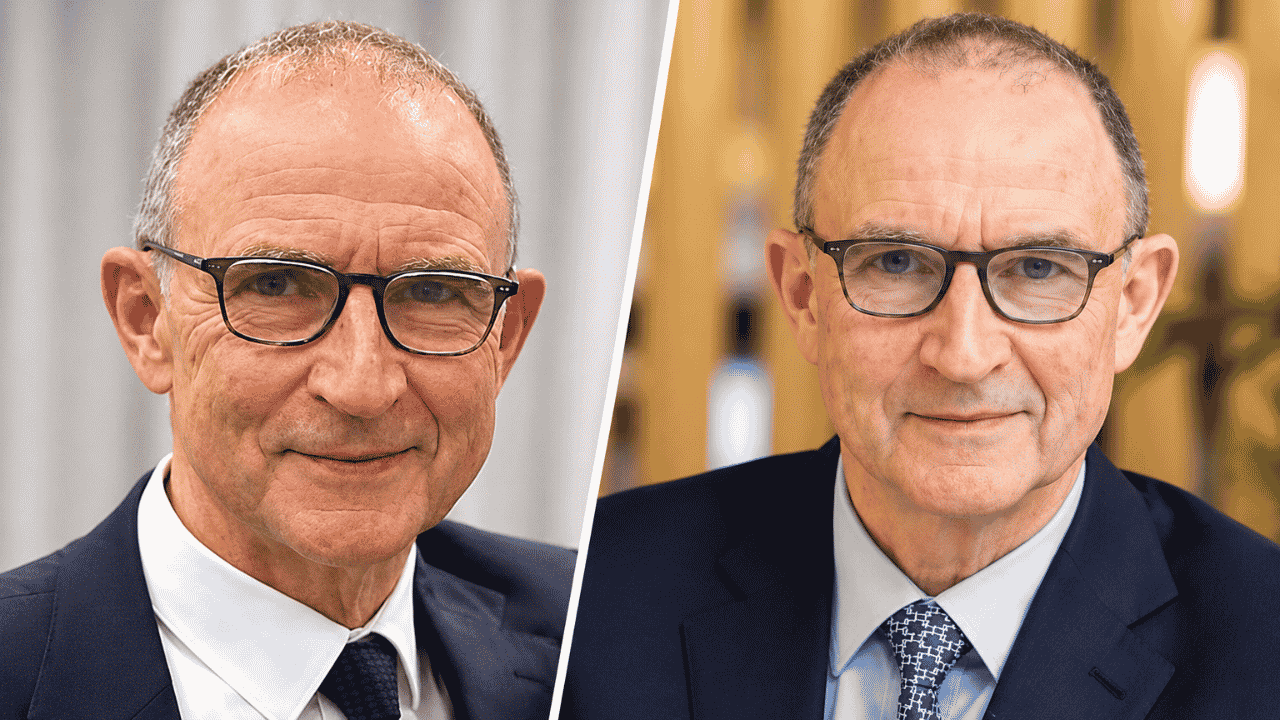
Martin O’Neill is one of the most recognisable figures in British and Irish football, having built a respected career as both a professional player and an experienced manager. From his early days in Northern Ireland to winning major trophies with Nottingham Forest, Leicester City and Celtic, his journey reflects decades of dedication to the sport. He became particularly well known for his ability to organise competitive teams, motivate players and handle the pressure of important matches. His managerial career also took him into international football, where he led the Republic of Ireland to the knockout stages of UEFA Euro 2016. Beyond the touchline, his education, family background, broadcasting work and autobiography reveal a more personal side of a man whose life has remained closely connected to football.
Early Life and Family Background
Martin Hugh Michael O’Neill was born on 1 March 1952 in Kilrea, County Londonderry, Northern Ireland. He grew up in a large family as the sixth of nine children, where sport and community life played an important role. His father was involved in the local Gaelic Athletic Association, helping establish Pádraig Pearse’s Kilrea GAA club. This family connection introduced O’Neill to Gaelic games from an early age and gave him opportunities to develop his sporting abilities outside association football. His upbringing in Northern Ireland played an important part in shaping his competitive nature and interest in team sports.
O’Neill attended St Columb’s College in Derry before continuing his education at St Malachy’s College in Belfast. During his school years, he developed an interest in both football and Gaelic football, becoming involved in competitive sporting activities. He later enrolled at Queen’s University Belfast to study law, although he did not complete his degree. His academic interests extended beyond the classroom, particularly towards criminology and legal cases. Despite having an opportunity to pursue a different professional direction, football eventually became the main focus of his life.
Martin O’Neill’s Early Football Career
Before becoming a successful manager, O’Neill established himself as a talented midfielder. His professional playing career began with Lisburn Distillery in 1971, where he gained experience in senior football. His performances attracted attention, and he soon moved to England to join Nottingham Forest. This move proved to be a turning point because it introduced him to a much higher level of competition and gave him the opportunity to work under one of English football’s most influential managers. His time as a player laid the foundation for the leadership qualities he would later demonstrate in management.
Success at Nottingham Forest
O’Neill’s years at Nottingham Forest were among the most memorable periods of his playing career. He joined the club in 1971 and became part of the team managed by Brian Clough, who was building a side capable of competing at the highest level. Forest achieved remarkable European success by winning the European Cup in 1979 and 1980. O’Neill contributed to the team’s achievements through his midfield performances and understanding of the game. His experiences under Clough also exposed him to demanding management methods that would influence his own approach to coaching.
His Nottingham Forest career lasted approximately a decade, during which he made 285 appearances and scored 48 goals according to historical records. He also experienced the intensity of competing for major domestic and European honours. The club’s success during this period made it one of the most memorable teams in European football history. Playing alongside talented teammates helped O’Neill develop an appreciation for discipline, teamwork and tactical organisation. These lessons remained relevant throughout his later managerial career.
Other Clubs and International Football
After leaving Nottingham Forest, O’Neill continued his playing career with several English clubs, including Norwich City, Manchester City and Notts County. These experiences gave him the opportunity to compete in different football environments and work with players from different backgrounds. Although his later career did not bring the same level of European success as his Forest years, he continued to contribute as an experienced midfielder. He eventually retired from professional football in 1984, bringing an important chapter of his sporting life to an end.
At international level, O’Neill represented Northern Ireland between 1971 and 1984, earning 64 caps. He also captained his country at the 1982 FIFA World Cup in Spain, one of the most significant tournaments in Northern Ireland’s football history. The national team reached the second group stage after an impressive opening performance, including a famous victory over Spain. His international experience gave him an understanding of the responsibility involved in representing a country. It also provided valuable experience that would later help him when he became an international manager.
The Beginning of His Managerial Career
After retiring as a player, O’Neill did not immediately move into a high-profile managerial position. He initially worked outside football at an insurance company before deciding to pursue coaching and management. His first managerial opportunity came at Grantham Town in 1987, followed by a spell at Shepshed Charterhouse. These early positions allowed him to learn about team management, recruitment and the practical challenges of running a football club. Rather than relying on his playing reputation, he gradually built his managerial career through experience and results.
Building a Reputation at Wycombe Wanderers
Wycombe Wanderers became an important stepping stone in O’Neill’s managerial development. He took charge in 1990 and helped the club progress through the English non-league system. Under his leadership, Wycombe won the Conference title and earned promotion into the Football League in 1993. The club also won the FA Trophy twice during his tenure, demonstrating its growing strength under his management. These achievements attracted attention from bigger clubs and established O’Neill as a manager capable of building successful teams with limited resources.
His work at Wycombe demonstrated several qualities that became associated with his management style. He placed considerable importance on organisation, discipline and making sure players understood their individual responsibilities. His teams were competitive and difficult to play against, even when facing opponents with greater financial resources. He also developed an ability to create a strong connection between players, supporters and the wider club. This period helped prepare him for the challenges of managing in English top-flight football.
Martin O’Neill at Leicester City
O’Neill joined Leicester City in 1995 and quickly became one of the club’s most successful managers. At the time, Leicester were looking to establish themselves as a competitive team capable of challenging stronger opponents. His arrival brought a clear sense of direction, and the team gradually became known for its determination and organised performances. He helped Leicester achieve promotion to the Premier League and then compete successfully against established top-flight clubs. His work at the club significantly increased his reputation throughout English football.
One of the most important achievements of his Leicester career was winning the League Cup in 1997. The club repeated that success in 2000, adding another major trophy to its history. Leicester also reached the League Cup final in 1999, although they finished as runners-up. These results made O’Neill an important figure in the club’s modern history. His ability to build a competitive squad without the financial resources of the biggest Premier League teams became one of the defining features of his managerial career.
His First Celtic Managerial Spell
In June 2000, O’Neill accepted the managerial position at Celtic, beginning a period that would become one of the most successful chapters of his career. Celtic had experienced difficulties competing consistently with Rangers in Scottish football, and supporters wanted a manager who could restore the club’s domestic dominance. O’Neill made an immediate impact by improving the team’s organisation and bringing confidence back into the squad. His appointment also attracted attention because of his previous success with Leicester City. The club soon became a much stronger competitor in Scotland and Europe.
During his first spell at Celtic between 2000 and 2005, O’Neill won three Scottish Premier League titles, three Scottish Cups and one Scottish League Cup. His team also reached the UEFA Cup final in 2003, where Celtic faced Porto in Seville. The match ended in a 3–2 defeat after extra time, but the club’s European campaign remains an important part of its modern history. Thousands of Celtic supporters travelled to Spain to support the team, creating an unforgettable atmosphere. Although the final ended in disappointment, reaching that stage represented a major achievement for O’Neill and his players.
Martin O’Neill’s Time at Aston Villa
After leaving Celtic in 2005, O’Neill returned to English football when he became Aston Villa manager in August 2006. Villa wanted to improve their position in the Premier League and become regular competitors for European qualification. O’Neill gradually developed a strong team built around experienced players and promising young talent. His side became particularly competitive during the late 2000s, earning three consecutive sixth-place finishes in the Premier League. These results established Aston Villa as one of the stronger teams outside the traditional top four.
Another important moment came in 2010 when Aston Villa reached the League Cup final. Although the team lost to Manchester United, the campaign demonstrated how far the club had progressed under O’Neill. His time at Villa was also recognised for the attacking contribution of players such as Gabriel Agbonlahor and Ashley Young. However, financial disagreements and differences over the club’s direction eventually contributed to his resignation in August 2010. His departure ended a significant period in Aston Villa’s recent history.
Sunderland and Nottingham Forest Management Roles
O’Neill returned to management in December 2011 when Sunderland appointed him as their manager. His arrival initially produced positive results, and the club experienced an improvement in performances during the first part of his tenure. Supporters hoped that his experience could help Sunderland establish themselves more comfortably in the Premier League. However, results became less consistent during the following season, and he left the position in March 2013. Although the spell did not match his earlier achievements, it added another chapter to his experience of managing under pressure.
In January 2019, O’Neill returned to Nottingham Forest, the club where he had enjoyed the greatest success as a player. His appointment attracted attention because of his personal history with the club and his previous relationship with its supporters. However, his managerial spell was relatively short and ended in June 2019. The reunion did not develop into a long-term project, but it represented a return to an important part of his footballing past. His connection with Nottingham Forest remained a notable part of his identity as a former player and manager.
Republic of Ireland and UEFA Euro 2016
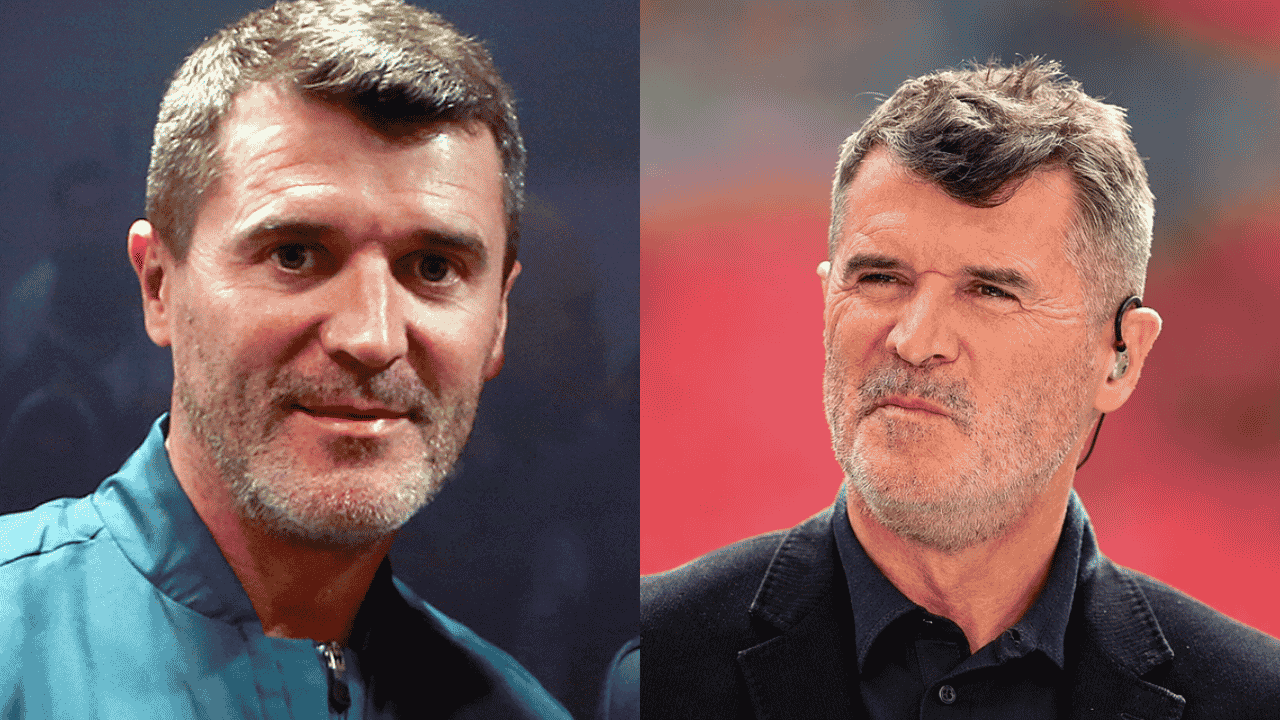
One of O’Neill’s most significant international achievements came when he became manager of the Republic of Ireland in November 2013. He worked alongside assistant manager Roy Keane, forming a partnership that attracted considerable attention. Their combined experience and personalities brought a different atmosphere to the national team. O’Neill focused on building a competitive side capable of challenging stronger international opponents. His main achievement was guiding Ireland through the qualification process for UEFA Euro 2016.
Ireland’s performance at the tournament in France included a memorable victory against Italy in the group stage. The result helped the team progress to the knockout rounds, where they eventually faced the host nation. Although Ireland’s campaign ended with a defeat against France, reaching the last 16 was a significant achievement. For Irish supporters, the tournament provided several memorable moments and renewed enthusiasm for the national team. O’Neill remained in charge until 2018, completing an important period in his managerial career.
His Return to Celtic and Recent Achievements
O’Neill returned to Celtic in October 2025, initially taking charge on an interim basis. His return attracted considerable attention because of his previous achievements and the strong connection he had developed with supporters during his first spell. He was later brought back in January 2026 following another change in the managerial position. The experienced manager helped the club regain stability during a challenging period. His familiarity with Celtic and Scottish football made him an important figure during the team’s difficult season.
His work during the 2025–26 campaign brought further success, as Celtic won the Scottish Premiership and Scottish Cup. Following these achievements, the club appointed him permanent manager in June 2026 on a one-year contract with an option for an additional year. His return demonstrated that his relationship with Celtic had remained important long after his first departure. In October 2026, he also confirmed his intention to continue in the role despite a difficult run of results. His second Celtic spell added another significant chapter to a managerial career spanning several decades.
Martin O’Neill’s Family and Personal Life
Away from football, O’Neill has maintained a relatively private personal life. He is married to Geraldine and they have two daughters. His family background in Northern Ireland and his connection with Gaelic sporting traditions remain important parts of his personal story. Unlike some football personalities, he has generally kept his family away from public attention. This means that reliable information about his relatives and private activities is limited.
His interests outside football also reveal a different side of his personality. His early academic interest in law and criminology remained part of his wider intellectual background. He has also maintained friendships with people from different stages of his football career. His public tributes to former colleagues demonstrate the importance he places on personal relationships and shared experiences. These connections have continued long after his playing days ended.
His Autobiography and Work in Football Broadcasting
In November 2022, O’Neill published his autobiography, On Days Like These: The Incredible Autobiography of a Football Legend. The book provides readers with an opportunity to learn more about his experiences as a player and manager. It also offers a personal perspective on the people, clubs and important matches that shaped his career. For supporters interested in his time at Nottingham Forest, Leicester City and Celtic, the autobiography provides additional background. It adds depth to the public record of a career that has covered several generations of football.
O’Neill has also worked as a television football analyst for broadcasters including BBC and ITV. His broadcasting appearances covered major international competitions, including World Cups, European Championships and Champions League matches. In June 2024, he began co-hosting The Football Authorities podcast with commentator Clive Tyldesley. The programme discusses football news, major sporting events and questions submitted by listeners. These activities allowed him to remain involved in football discussion even when he was not managing a team.
Honours, Awards and Managerial Achievements
O’Neill’s career includes significant achievements as both a player and manager. His European Cup victories with Nottingham Forest remain among the most important moments of his playing career. His managerial success at Leicester City and Celtic established him as one of the most respected British and Irish managers of his generation. He also achieved international recognition through his work with the Republic of Ireland. His honours reflect a career built through different roles, competitions and football environments.
Some of his most notable achievements include:
- Two European Cup victories as a Nottingham Forest player in 1979 and 1980.
- Two League Cup victories with Leicester City in 1997 and 2000.
- Three Scottish Premier League titles during his first Celtic spell.
- Three Scottish Cup victories with Celtic during his first spell.
- One Scottish League Cup with Celtic.
- UEFA Cup runner-up with Celtic in 2003.
- Three consecutive sixth-place Premier League finishes with Aston Villa.
- Guided the Republic of Ireland to the last 16 of UEFA Euro 2016.
- Scottish Premiership and Scottish Cup double with Celtic in 2025–26.
- Awarded the MBE in 1983 and promoted to OBE in 2004.
His achievements also extend beyond trophies. He became known for helping clubs improve their competitiveness and for building teams that could challenge opponents with larger budgets. His career at Wycombe Wanderers is another example of his ability to produce strong results outside the biggest football environments. His managerial record reflects experience across English, Scottish and international football. Few managers have experienced such a broad range of challenges throughout their careers.
Martin O’Neill’s Legacy in Football
O’Neill’s influence on football comes from his achievements as a player, his success as a manager and his ability to work in different football environments. His European Cup experiences with Nottingham Forest gave him a strong understanding of elite competition, while his managerial achievements at Leicester City and Celtic established his reputation. His work with Aston Villa demonstrated his ability to build competitive Premier League teams, and his international experience with Ireland added another dimension to his career. He also earned respect for his straightforward communication and strong relationships with players and supporters.
His return to Celtic showed that his experience and reputation continued to carry considerable value. The trophies won during the 2025–26 campaign added to his already impressive record and demonstrated his ability to respond to difficult circumstances. His autobiography, broadcasting work and podcast have also allowed supporters to understand his career beyond match results. From a young footballer in Northern Ireland to an experienced manager at major clubs, his journey has included several important achievements. His name remains closely associated with some of the most memorable periods in the histories of Nottingham Forest, Leicester City and Celtic.
Conclusion
Martin O’Neill has enjoyed a remarkable football career that combines European success as a player with major achievements as a manager. His journey from Kilrea to Nottingham Forest, Leicester City, Celtic and the Republic of Ireland demonstrates his long-standing commitment to the sport. While his trophies and managerial statistics are important, his experiences outside football also make his biography interesting. His education, family background, autobiography and broadcasting work provide a fuller picture of his life and personality. With his return to Celtic bringing further success in 2026, O’Neill continues to hold an important place in British and Irish football history.
Frequently Asked Questions
1. Who is Martin O’Neill?
Martin O’Neill is a Northern Irish former professional footballer and football manager. He is best known for managing Celtic, Leicester City, Aston Villa and the Republic of Ireland national team. Before becoming a manager, he played for Nottingham Forest and won two European Cups with the club.
2. How old is Martin O’Neill?
Martin O’Neill was born on 1 March 1952. He turned 74 in March 2026. His birthplace is Kilrea in County Londonderry, Northern Ireland.
3. Is Martin O’Neill married and does he have children?
Yes, Martin O’Neill is married to Geraldine. The couple have two daughters. He generally keeps his family life private and does not frequently discuss personal matters in public.
4. What trophies has Martin O’Neill won as a manager?
O’Neill has won major domestic trophies with Leicester City and Celtic. His achievements include two League Cups with Leicester, three Scottish Premier League titles, three Scottish Cups and one Scottish League Cup during his first Celtic spell. He also guided Celtic to the Scottish Premiership and Scottish Cup double in the 2025–26 season.
5. Did Martin O’Neill manage the Republic of Ireland?
Yes, Martin O’Neill managed the Republic of Ireland national team from 2013 to 2018. He worked alongside Roy Keane as assistant manager and guided the team to UEFA Euro 2016. Ireland reached the round of 16 after an important group-stage victory against Italy.