








Peter Orszag is an American economist and financial executive whose professional career has taken him from academic research and government service to leadership at one of the world’s established financial advisory firms. He became widely known in Washington after directing the Congressional Budget Office and later serving as Director of the Office of Management and Budget under President Barack Obama. Outside his professional achievements, searches for Peter Orszag bald, Peter Orszag wig, and Peter Orszag hair have attracted attention because of speculation about his appearance. These questions became particularly noticeable around 2010, when photographs and media commentary prompted discussions about whether he wore a hairpiece. His career, personal background, and the history of these rumors provide a more complete picture of a public figure whose work extends far beyond his appearance.
Who Is Peter Orszag?
Peter Richard Orszag is an American economist and business executive known for his experience in public finance, economic policy, and investment banking. He has held senior positions in the United States government, including leadership roles at the Congressional Budget Office and the Office of Management and Budget. His professional background also includes work at Citigroup and Lazard, where he moved into senior financial leadership. His experience across government and private finance has made him a recognizable figure in discussions about federal spending, healthcare economics, and corporate financial strategy. He currently serves as CEO and Chairman of Lazard.
Peter Orszag built his reputation through work that combines economic research with practical decision-making. His career has involved examining how government spending affects the economy, how healthcare costs influence public budgets, and how financial institutions advise major organizations. Unlike executives who spend their entire careers in one industry, he has worked in academia, government, and international finance. This combination has shaped his professional identity and explains why his name appears in discussions about both American economic policy and global business. His public profile also attracts interest from readers looking for information about his family, education, appearance, and financial standing.
Peter Orszag’s Early Life and Educational Background
Peter Orszag attended Phillips Exeter Academy before continuing his education at Princeton University. At Princeton, he studied economics and graduated summa cum laude, an academic distinction awarded for outstanding performance. He was also elected to Phi Beta Kappa, a recognition associated with strong academic achievement. His university education provided a foundation for understanding economic systems, public finance, and the relationship between government policy and national growth. These early academic achievements helped prepare him for the demanding research and policy positions he would later hold.
After completing his undergraduate studies, Orszag attended the London School of Economics as a Marshall Scholar. He earned both a master’s degree and a PhD in economics from the institution. His postgraduate education strengthened his understanding of economic policy and gave him an international academic perspective. Studying in the United Kingdom also exposed him to economic discussions beyond the American policy environment. This academic background became particularly valuable when he began advising government officials and working on national budget questions.
His education was not limited to earning qualifications from respected institutions. Orszag developed an interest in the practical effects of economic decisions, especially those involving public spending and long-term financial planning. These subjects later became central to his work in Washington. His academic training also helped him communicate complicated economic issues to policymakers, financial professionals, and the wider public. The connection between research and practical policy remained a consistent feature of his professional life.
How Peter Orszag Started His Professional Career
Peter Orszag began establishing his career through economic research and public policy work. He served in the Clinton administration as an economic adviser, working with the Council of Economic Advisers and contributing to policy discussions at the White House. These responsibilities introduced him to the process of turning economic research into government decisions. He gained experience examining national economic priorities and understanding how policy proposals affect public finances. This early government experience helped establish the professional relationships and knowledge that supported his later appointments.
His work during the Clinton administration gave him exposure to major economic questions facing the United States. Federal spending, economic growth, government revenue, and long-term budget planning were among the subjects connected to his professional responsibilities. He also developed experience communicating with officials involved in economic decision-making. Rather than concentrating only on academic theory, he worked in an environment where research had direct consequences for public policy. This combination of analytical and government experience became one of the defining features of his career.
Peter Orszag at the Congressional Budget Office
In January 2007, Peter Orszag became Director of the Congressional Budget Office, commonly known as the CBO. The agency provides independent budget and economic analysis to the United States Congress. Its work helps lawmakers understand the financial consequences of proposed legislation, government programs, and changes in federal spending. As director, Orszag was responsible for leading an organization whose analysis plays an important role in congressional decision-making. The position placed him at the center of debates about the federal budget, national debt, and the long-term costs of government policies.
Healthcare spending was one of the important subjects associated with his leadership at the CBO. American healthcare costs had become a major concern for policymakers because rising expenditure placed pressure on households, businesses, insurers, and government programs. Orszag’s background in healthcare economics helped him contribute to discussions about how medical spending could affect the federal budget. His work involved examining projections and explaining the potential financial effects of policy proposals. The agency’s independent role meant that its analysis could influence debates without acting as an advocate for a particular political party.
His time at the CBO also strengthened his public reputation as an economist who could explain difficult budget questions. Members of Congress, journalists, and policy researchers regularly relied on the agency’s financial assessments. The director’s position required a careful approach because economic forecasts and cost estimates can have significant political consequences. Orszag’s experience in this role became an important qualification for his next government appointment. It also established a connection between his name and major discussions about healthcare reform and federal spending.
His Role in the Obama Administration
In January 2009, President Barack Obama appointed Peter Orszag as Director of the Office of Management and Budget. The OMB is responsible for helping prepare the president’s federal budget and coordinating budget-related priorities across government departments. The appointment came during a difficult period for the American economy, following the financial crisis of 2008. The administration faced pressure to support economic recovery while also managing federal spending and addressing long-term fiscal concerns. Orszag’s experience at the Congressional Budget Office made him a suitable choice for a position requiring detailed knowledge of government finances.
One of the major issues during his time at the OMB was healthcare reform. The Obama administration was working on legislation that eventually became the Affordable Care Act. Controlling healthcare expenditure was an important part of the policy discussion because the cost of medical services had implications for both federal spending and the wider economy. Orszag’s previous research and experience in healthcare economics gave him a significant role in budget-related discussions. His responsibilities included examining financial estimates and helping the administration assess the economic implications of proposed changes.
His work also involved wider federal budget priorities during a period of economic uncertainty. Government spending decisions attracted considerable attention because the country was dealing with unemployment, financial instability, and the effects of the recession. The OMB had to coordinate with federal agencies and help the administration evaluate competing spending priorities. Orszag served in the position until July 2010, when he left the administration. His departure marked the end of an important chapter in his public service career and opened the door to a move into private finance.
The Beginning of Peter Orszag’s Career in Finance
After leaving the Obama administration, Orszag moved into the financial services industry. He joined Citigroup in 2011 and became Vice Chairman of Corporate and Investment Banking. He also served as Chairman of the Financial Strategy and Solutions Group, where his economic and policy experience could be applied to financial advisory work. The move represented a change in the type of organization he worked for, but many of the subjects remained connected to his previous career. Understanding government policy, financial markets, economic conditions, and institutional spending continued to be relevant to his responsibilities.
His experience at Citigroup allowed him to work more directly with corporate and institutional clients. Businesses making major financial decisions often need advice about economic conditions, investment opportunities, mergers, and long-term strategy. Orszag’s background in public policy gave him a different perspective from professionals whose experience was limited to traditional banking. His understanding of government budgets and economic research was particularly relevant when clients needed to assess the financial consequences of changing regulations or broader economic developments. He remained at Citigroup until 2016.
Peter Orszag’s Leadership at Lazard
Peter Orszag joined Lazard in May 2016, beginning another important stage of his professional career. He initially served as Vice Chairman of Investment Banking and later took on additional leadership responsibilities within the firm. His work included senior positions connected to healthcare, mergers and acquisitions, and financial advisory services. These responsibilities placed him in contact with companies and institutions facing complicated financial decisions. His earlier experience in government and banking gave him a useful perspective on the relationship between economic policy and corporate strategy.
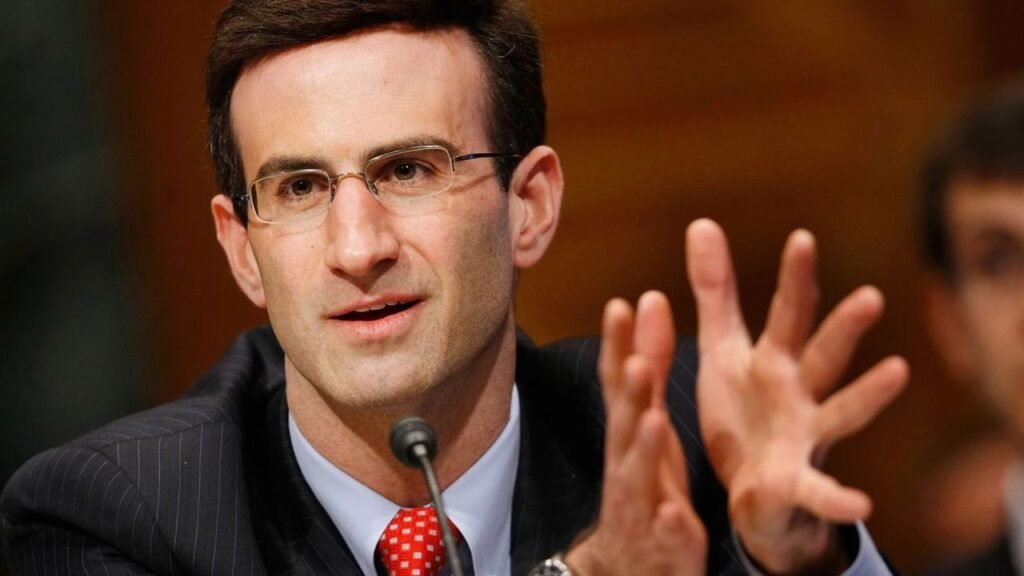
Over the following years, Orszag advanced through the firm’s leadership structure. He became CEO of Financial Advisory and later took on broader responsibilities within Lazard’s business. His appointment as CEO of Lazard became effective in October 2023, marking a major achievement in his financial career. The position placed him in charge of the firm’s strategic direction and business priorities. He became Chairman in January 2025, adding another senior leadership responsibility to his role.
Lazard is an international financial advisory and asset management firm that works with corporations, governments, and institutional clients. Its financial advisory business covers matters such as mergers and acquisitions, restructuring, capital structure, and strategic financial planning. Leading an organization of this kind requires an understanding of financial markets, corporate management, and international economic conditions. Orszag’s background in government and investment banking gives him experience across several of these areas. His appointment also demonstrates how his career developed from economic research into senior corporate leadership.
His position at Lazard is particularly relevant when examining his professional achievements and financial standing. Executive compensation at a publicly reporting financial company can include salary, annual incentives, stock awards, and other benefits. These payments may change depending on company performance and the terms of executive compensation arrangements. For readers researching Peter Orszag net worth, his leadership position and disclosed compensation provide useful financial context. However, his company compensation should not be confused with his complete personal wealth.
Peter Orszag Bald: Why Are People Searching for His Appearance?
Searches for Peter Orszag bald have attracted attention because his public photographs have prompted questions about his hair. He became a familiar face in American political coverage during his time in the Obama administration, when television appearances and news photographs brought him greater public visibility. As his profile increased, discussions about his appearance began appearing in online publications. Some readers questioned whether his hairline looked different in photographs taken at different times. These discussions eventually became connected to searches about baldness, wigs, and toupees.
There is no reliable public evidence establishing that Peter Orszag is completely bald. Photographs from different stages of his career show him with visible hair, although its appearance can vary with lighting, hairstyle, camera position, and image quality. A photograph alone cannot establish whether someone is experiencing hair loss or has undergone a cosmetic procedure. It is also difficult to make a reliable comparison when pictures come from different cameras, years, and settings. Readers should therefore treat claims about his baldness as speculation unless supported by a direct statement or credible evidence.
The interest in Peter Orszag bald is closely connected to his public visibility rather than his professional qualifications. Political figures and business executives often become subjects of online discussions about their appearance, particularly when they appear regularly in television interviews. Orszag’s role in major economic debates meant that his face was frequently seen in news coverage during the late 2000s and early 2010s. This exposure created opportunities for people to compare photographs and discuss changes in his appearance. The resulting attention became part of his online search history.
Does Peter Orszag Wear a Wig or Toupee?
The question of whether Peter Orszag wears a wig or toupee became a subject of online discussion around January 2010. Several publications examined his photographs and raised questions about the appearance of his hair. However, speculation in an article is not the same as confirmation from the person involved. There is no verified public statement from Orszag confirming that he wears a wig or toupee. Without reliable evidence, it would be misleading to describe the rumor as an established fact.
A wig and a toupee are not exactly the same thing. A wig usually covers most or all of the scalp, while a toupee is a smaller hairpiece designed to cover a particular area. Hair transplants are different because they involve moving hair follicles rather than attaching an artificial hairpiece. These distinctions matter when discussing the Peter Orszag wig question because online articles sometimes use the terms interchangeably. A responsible article should explain the differences instead of treating every hair-related claim as identical.
People may form impressions about someone’s hair based on photographs, but those impressions do not provide medical or cosmetic information. A hairstyle can look fuller in one image and less full in another because of the direction of the light or the way the hair is arranged. Camera distance, image resolution, and the angle of a person’s head can also affect how the hairline appears. These factors make it difficult to reach a definite conclusion from public photographs. Unless Orszag personally confirms the use of a hairpiece, the question remains unverified.
How the Peter Orszag Hair Rumors Started in 2010
The discussion surrounding Peter Orszag hair received notable media attention in January 2010. One of the early publications to examine the subject was Gawker, which published an article questioning whether his hairstyle might involve a toupee. The article compared photographs taken at different times and invited readers to consider apparent changes in his appearance. Its discussion helped bring the subject into online conversation. However, the photographic comparisons did not establish that Orszag wore a hairpiece.
The New York Observer also published an article about the subject later in January 2010. It discussed the appearance of Orszag’s hair and included comments from hairpiece specialist Joseph Paris, who examined photographs. The comments reflected the specialist’s interpretation of the images rather than a confirmed examination of Orszag himself. This distinction is important because readers may mistake an expert’s opinion about photographs for direct evidence. The article added to the discussion but did not settle the question.
The timing of these articles is also worth considering. Orszag was serving as Director of the Office of Management and Budget during a period when the Obama administration was receiving extensive media attention. He was regularly associated with discussions about healthcare reform, federal spending, and the economic recovery. His public appearances made him recognizable beyond the usual audience for government budget policy. As a result, commentary about his personal appearance received attention alongside coverage of his professional responsibilities.
Peter Orszag Hair: Changes in His Public Appearance
Photographs of Peter Orszag from different periods show how a person’s appearance can change over time. Older images from his government career and more recent corporate photographs may show differences in hair color, styling, and overall presentation. These changes are not unusual for someone whose photographs span many years. Hair can naturally become lighter or grayer with age, while grooming choices can affect its appearance. Such observations can be described without making unsupported claims about cosmetic treatment.
The term Peter Orszag hair is also used by people looking for information about his hairstyle rather than a confirmed hair-loss condition. His professional photographs commonly show a neat and conservative appearance suited to government and corporate environments. Short hairstyles can look different depending on how the hair is combed, the amount of product used, and the lighting in a photograph. A close-up image may also create a different impression from a television appearance filmed from a distance. These ordinary factors should be considered before drawing conclusions about his hair.
There is no publicly verified medical information establishing that Orszag has a particular hair-loss condition. Likewise, there is no confirmed evidence that he has undergone a hair transplant. Claims about medical treatment should not be inferred from a person’s photographs or from articles repeating online speculation. A fair discussion can explain why people search for these topics while making clear what has and has not been established. This approach gives readers an answer without presenting rumors as personal facts.
Peter Orszag’s Wife and Family Life
Peter Orszag is married to Bianna Golodryga, an American journalist known for her work in television news. She has worked with major media organizations and became widely recognized through her reporting and presenting roles at CNN. Her professional background is different from Orszag’s work in economics and finance, but both have established careers in public-facing fields. Their marriage is one of the better-documented aspects of his personal life. It also explains why searches about Peter Orszag sometimes include his wife and family.
Bianna Golodryga has covered business, politics, international affairs, and major news developments during her journalism career. Her work has involved interviews with public figures and reporting on issues affecting the United States and other countries. This professional experience has made her a recognizable television personality among viewers interested in political and economic news. Orszag, meanwhile, has spent much of his career working directly with economic institutions and financial organizations. Their different professional paths have given them separate public identities.
Information about their private family life should be handled carefully because not every personal detail is available through reliable public sources. A biography does not need to include unverified claims about children, parents, or relatives to provide a useful account of someone’s life. The most relevant confirmed information concerns their marriage and professional backgrounds. Keeping this section focused also prevents a biography from becoming filled with speculation. Readers interested in his personal life can understand the publicly documented facts without unnecessary assumptions.
Peter Orszag Net Worth and Salary
Peter Orszag net worth is another search topic connected to his senior position at Lazard and his earlier financial career. He has held leadership roles at major organizations, including Citigroup and Lazard, and has spent years working in high-level financial advisory positions. His income may include executive salary, performance-related compensation, stock awards, and other benefits. These sources of income provide context for understanding his financial position. However, they do not reveal his complete personal wealth.
Lazard’s executive compensation disclosures provide more concrete information than unofficial net worth estimates. Reported compensation for Orszag was approximately $13.7 million in 2025, compared with approximately $11.4 million in 2024. His reported compensation for 2023 was approximately $30.8 million. These figures should be understood in the context of executive pay arrangements, which can include incentives and equity-based awards rather than only cash salary. They are useful financial details, but they should not be described as his annual base salary or total net worth.
Estimating the complete net worth of a private individual requires information about assets, investments, property, liabilities, and other financial interests. Public company filings may reveal certain executive payments and shareholdings, but they do not provide a complete personal balance sheet. Online websites sometimes publish net worth figures without explaining how they calculated them. Readers should be cautious about treating those numbers as confirmed financial records. Unless a reliable source provides a documented estimate, Peter Orszag’s exact net worth should be described as undisclosed.
His Work in Economic Research and Public Policy
Peter Orszag’s career has included work beyond government appointments and corporate leadership. He has been associated with research initiatives focused on economic growth, healthcare spending, retirement security, and public finance. One important example is the Hamilton Project, an economic policy initiative at the Brookings Institution that he helped establish and lead. The project focuses on developing policy proposals intended to improve economic opportunity and long-term prosperity in the United States. His involvement reflects his continued interest in connecting academic research with practical economic decisions.
He has also been associated with the Retirement Security Project, which focuses on policies that can help Americans prepare financially for retirement. Retirement planning is an important economic issue because individuals must consider savings, employment, pensions, and future living expenses. Research in this area examines how government policies and financial incentives influence people’s saving habits. Orszag’s involvement in retirement policy connects with his wider interest in long-term financial security. It also demonstrates that his professional interests extend beyond corporate finance and government budgeting.
His professional affiliations include organizations involved in economic research, healthcare, and international policy discussions. These connections include the Council on Foreign Relations, the Peterson Institute for International Economics, the National Academy of Medicine, and the Aspen Economic Strategy Group. He has also been associated with academic and institutional boards. Such roles allow experienced economists and financial executives to contribute to discussions outside their main professional responsibilities. They provide another perspective on the range of subjects connected to his career.
Peter Orszag’s Professional Achievements and Influence
One of Peter Orszag’s most distinctive achievements is his experience leading both the Congressional Budget Office and the Office of Management and Budget. These organizations have different responsibilities, but both play important roles in the financial decisions of the United States government. The CBO provides independent analysis for Congress, while the OMB supports the president’s budget planning and coordination across federal agencies. Serving as director of both institutions gave Orszag experience with two important parts of the federal budget process. His personal website identifies this career distinction as an unusual achievement.
Another major achievement was his transition into senior leadership at Lazard. Moving from government economic policy into international financial advisory work required him to apply his experience in a different professional environment. His earlier positions at Citigroup and Lazard provided opportunities to work with businesses and institutions dealing with major financial decisions. Becoming CEO in 2023 and Chairman in 2025 marked the highest stages of his career at the firm. These appointments established him as a senior figure in the financial advisory industry.
His influence also comes from his ability to communicate economic issues to different audiences. Government officials need accurate information about public spending, while corporate leaders need to understand financial risks and market conditions. Academic researchers focus on evidence, economic models, and the long-term effects of policy decisions. Orszag’s career has brought him into contact with all three groups. This experience has made him a recognizable participant in discussions about the relationship between economic policy and business leadership.
Interesting Facts About Peter Orszag
Peter Orszag’s professional background includes several details that readers may find interesting beyond his government and financial positions. His education, research interests, and career changes provide a clearer picture of how he developed his reputation. He has also been involved in policy discussions that affect everyday subjects such as healthcare costs and retirement savings. These details help explain why his name appears in academic, political, and business-related searches. The following facts summarize some of the most notable points about his life and career.
- He graduated summa cum laude from Princeton University.
- He earned a master’s degree and PhD in economics from the London School of Economics.
- He studied in the United Kingdom as a Marshall Scholar.
- He directed the Congressional Budget Office from 2007 to 2008.
- He served as Director of the Office of Management and Budget from 2009 to 2010.
- He worked as a senior executive at Citigroup before joining Lazard.
- He became CEO of Lazard in October 2023.
- He became Chairman of Lazard in January 2025.
- He is married to CNN journalist Bianna Golodryga.
- His career includes research on healthcare spending, retirement security, and public finance.
Frequently Asked Questions About Peter Orszag
1. Who is Peter Orszag?
Peter Orszag is an American economist and financial executive who serves as CEO and Chairman of Lazard. He previously directed the Congressional Budget Office and the Office of Management and Budget under President Barack Obama. His professional experience includes economic research, government policy, and investment banking. He is also known for his work on healthcare economics and federal budget issues. His career has connected public service with leadership in the private financial sector.
2. Is Peter Orszag bald?
There is no reliable public evidence establishing that Peter Orszag is completely bald. Public photographs from different stages of his career show him with visible hair. Differences in lighting, grooming, and photographic angles can change how his hair appears. Online discussions about his appearance should not be treated as medical evidence. Claims about a particular hair-loss condition remain unverified.
3. Does Peter Orszag wear a wig or toupee?
There is no verified public confirmation that Peter Orszag wears a wig or toupee. The speculation became particularly noticeable in January 2010, when Gawker and the New York Observer published articles discussing his hairstyle. Those publications examined photographs and included commentary, but they did not establish that he used a hairpiece. No reliable public statement from Orszag has confirmed the rumor. Therefore, it should remain a question rather than a factual claim.
4. Who is Peter Orszag’s wife?
Peter Orszag is married to Bianna Golodryga, an American journalist known for her work at CNN. She has built her career through television reporting, presenting, and interviews covering politics, business, and international affairs. Their professional backgrounds are different, with Orszag working in economics and finance. Their marriage is a publicly documented part of his personal life. Both have established careers in their respective fields.
5. What is Peter Orszag’s net worth?
Peter Orszag’s exact net worth has not been reliably established through publicly available financial records. His executive compensation at Lazard provides information about his professional earnings, but compensation is not the same as total personal wealth. His reported compensation was approximately $13.7 million in 2025. A complete net worth calculation would also require information about his investments, property, other assets, and liabilities. Any specific online net worth estimate should be treated cautiously unless supported by credible financial evidence.
Conclusion
Peter Orszag has built a career that connects academic economics, American government, and international finance. His leadership at the Congressional Budget Office and the Office of Management and Budget established his reputation in public policy, while his later positions at Citigroup and Lazard expanded his influence in the financial industry. His appointment as Lazard’s CEO and Chairman represents a significant achievement in a career shaped by economic research and senior leadership. Searches for Peter Orszag bald, Peter Orszag wig, and Peter Orszag hair reflect public curiosity about his appearance, particularly following the media discussions that began in 2010. However, claims that he wears a hairpiece or has undergone a hair transplant remain unconfirmed. His education, government service, marriage to Bianna Golodryga, and achievements in finance provide a much more substantial picture of his life than the speculation surrounding his hairstyle.