



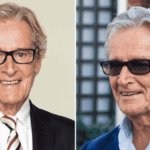
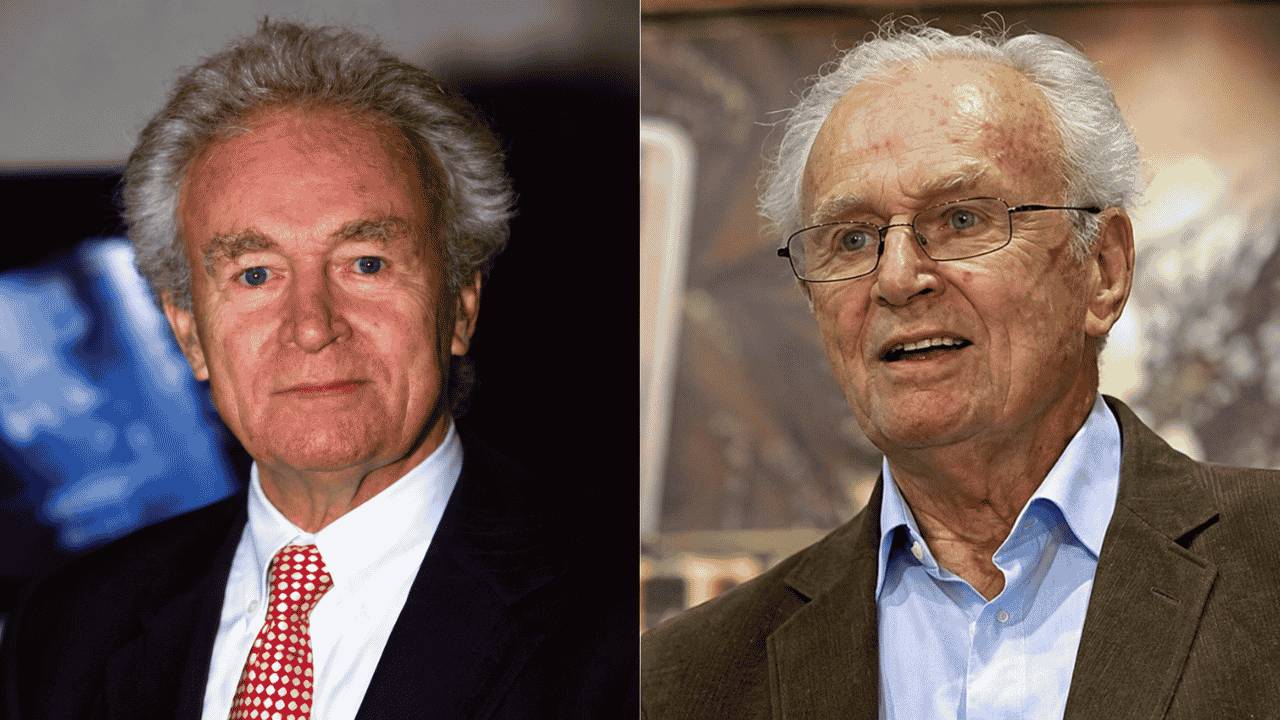
William Russell was a British actor whose career spanned more than seven decades, earning him recognition in television, theatre, film and radio. He became widely known for playing Ian Chesterton, one of the original companions of the Doctor in the science-fiction series Doctor Who. His performances in historical dramas and adventure programmes also helped establish him as a familiar face in British entertainment long before the series became an international phenomenon. Born in 1924, he worked with several generations of actors and continued appearing in productions well into his later years. His life and career remain closely connected to the early history of British television and the enduring popularity of Doctor Who.
Early Life, Family Background and Education
William Russell was born William Russell Enoch on 19 November 1924 in Sunderland, England. He grew up during a period when Britain was experiencing significant social and political changes, and his childhood was followed by the difficult years of the Second World War. His parents were Eva Compston, formerly Pile, and Alfred James Enoch. Although he eventually became known throughout Britain as an actor, his early interests and education helped shape his personality before he entered the entertainment industry.
Russell attended Wolverhampton Grammar School before going to the University of Oxford. He initially pursued another subject but later studied English, developing an interest in literature, language and performance. His time at university also brought him closer to theatre and student productions, which helped him discover the possibilities of acting as a profession. His education gave him a strong foundation for performing in Shakespearean productions, period dramas and literary adaptations throughout his career.
Military Service During the Second World War
Like many men of his generation, William Russell’s education and early life were affected by the Second World War. He served in the Royal Air Force, where he held the rank of flight lieutenant, and his military service interrupted his university studies. The experience placed him in a different environment from the theatrical world he would later enter, exposing him to the discipline and responsibilities associated with military life. After completing his service and returning to civilian life, he resumed his education and began working towards an acting career.
His time in the RAF became an important part of his personal history, although he was better known publicly for his performances than for his military background. Returning to Oxford after the war allowed him to continue studying while exploring opportunities in theatre. He eventually moved into professional acting, building his career through stage performances and television roles. This early combination of education, wartime experience and theatre helped him develop the range required for the characters he later portrayed.
How William Russell Began His Acting Career
William Russell entered professional acting during the late 1940s and early 1950s, when British television was still developing its audience. He gained experience through theatre and screen appearances, taking roles in productions that often featured historical characters, literary stories and adventure themes. His ability to portray confident, intelligent and authoritative characters made him suitable for the leading roles available during that period. He gradually developed a reputation as a dependable actor who could handle both dramatic and action-oriented performances.
One of his early career highlights was playing the lead in The Adventures of Sir Lancelot, a television series that introduced him to a wider audience. The programme gave him an opportunity to portray a heroic character in a setting filled with adventure, sword fights and medieval storytelling. The success of this role helped him become a recognised television performer before he joined Doctor Who. His earlier work is an important part of understanding how he established himself in the British entertainment industry rather than becoming famous through a single programme.
The Adventures of Sir Lancelot and Early Television Success
The Adventures of Sir Lancelot was one of William Russell’s most significant early television projects. He played Sir Lancelot, a character associated with the legendary Knights of the Round Table, in a series that brought medieval adventures to television audiences. The role required him to perform action scenes while also presenting the character as a brave and honourable knight. His performance suited the adventure format, which was popular among viewers during the 1950s.
The programme helped establish Russell as a leading television actor and opened doors to further opportunities. During this stage of his career, he appeared in adaptations and productions based on well-known literary works, including Nicholas Nickleby and David Copperfield. These projects allowed him to work in different styles of storytelling and demonstrate his ability to portray characters from different historical periods. His career was already developing steadily before he became associated with the science-fiction series that would define his legacy for many viewers.
William Russell in Doctor Who as Ian Chesterton
William Russell became internationally recognised after joining Doctor Who in 1963 as Ian Chesterton. Ian was a science teacher who became involved in the adventures of the mysterious Doctor after encountering the TARDIS and its unusual occupants. Alongside Barbara Wright, Susan Foreman and the First Doctor, Ian travelled through time and space, visiting unfamiliar planets, historical civilisations and dangerous environments. His character brought a practical and human perspective to stories that often involved extraordinary scientific or alien events.
Ian Chesterton was not simply a passenger in the TARDIS. He frequently helped solve problems, protected other characters and confronted dangers when the Doctor’s companions were threatened. His scientific knowledge and physical courage made him a useful member of the travelling group, while his reactions helped audiences understand the strange situations unfolding around him. The character became an important example of how companions could contribute meaningfully to the adventures instead of serving only as observers.
Memorable Doctor Who Stories Featuring Ian Chesterton
Russell appeared in many of the early Doctor Who stories that helped build the programme’s original audience. His work included adventures involving the Daleks, historical settings and alien worlds, each requiring a different response from Ian Chesterton. Some stories placed the character in unfamiliar societies where he had to understand local customs, while others involved direct confrontations with dangerous creatures and enemies. These performances helped establish the character’s identity during the show’s early years.
Notable stories featuring Ian Chesterton include:
- An Unearthly Child – the story that introduced the original TARDIS crew.
- The Daleks – an adventure that helped establish the Daleks as major enemies.
- The Aztecs – a historical story set within the Aztec civilisation.
- The Sensorites – an encounter with an alien species living on a distant world.
- The Dalek Invasion of Earth – a story involving a Dalek occupation of Earth.
- The Romans – a historical adventure set during the Roman Empire.
- The Web Planet – a journey to a strange world inhabited by unusual creatures.
- The Crusade – a story set during the Crusades.
- The Chase – a dangerous pursuit involving the Doctor and his companions.
These episodes remain part of the classic Doctor Who era and are regularly discussed by fans interested in the show’s original format. Ian’s presence gave the early stories a companion who could participate in physical challenges and make decisions independently. Russell’s acting helped create a character who was believable even when surrounded by science-fiction settings and imaginative creatures.
Why William Russell Left Doctor Who
William Russell eventually left Doctor Who during its second season, after spending several years playing Ian Chesterton. His departure was connected to his interest in theatre and the desire to explore opportunities beyond the television programme. Acting in a continuing series required a considerable commitment, which could limit the time available for stage performances and other professional projects. Russell wanted to continue developing his career rather than remain associated with only one character.
His departure was part of a wider change in the programme’s original cast. Jacqueline Hill, who played Barbara Wright, also left around the same period, marking the end of an important chapter in the show’s early history. Ian and Barbara’s exit gave the programme an opportunity to introduce new companions and develop different stories. Russell’s decision did not end his connection to Doctor Who, as he continued returning to the character in later productions and special appearances.
His Film Career and Notable Screen Roles
Although Doctor Who remained his most famous television role, William Russell also appeared in films throughout his career. His screen work included historical productions, war-related stories and films featuring established British and international actors. These roles allowed him to work outside the science-fiction genre and demonstrate his versatility as a performer. His film appearances were part of a career that included television, stage and audio productions rather than being limited to one medium.
Some of his notable film credits include:
- The Man Who Never Was (1956)
- The Great Escape (1963)
- Superman (1978)
- Death Watch
- Executive Order (2020)
In Superman, he appeared as an elder on Krypton, contributing to the film’s opening sequence and the presentation of Superman’s origins. His later film work also demonstrated that he remained involved in acting long after the original Doctor Who period. Executive Order, a Brazilian production released in 2020, was particularly notable because it connected his later career with the background of his son, Alfred Enoch.
Television Appearances Beyond Doctor Who
Russell appeared in a wide range of British television productions, including drama, comedy, crime stories and historical adaptations. His experience made him suitable for both leading roles and guest appearances, allowing him to work across different genres. He appeared in programmes that introduced him to viewers who may not have followed Doctor Who, particularly during the decades after he left the series. His television career reflected the changing nature of British entertainment and the opportunities available to experienced performers.
His television credits included The Adventures of Sir Lancelot, St. Ives, Nicholas Nickleby, David Copperfield, The Black Adder, Robin of Sherwood, Coronation Street, Father Brown, Casualty, Heartbeat and Poirot. These productions covered different periods and styles, ranging from comedy and historical drama to contemporary crime and medical stories. His role as Ted Sullivan in Coronation Street in 1992 was another memorable appearance for audiences familiar with British television. The variety of his work shows how he continued to find acting opportunities across several generations of programmes.
Theatre Work and Shakespearean Performances
Theatre remained an important part of William Russell’s professional life, even after television brought him wider recognition. He performed in stage productions throughout his career, including Shakespearean works and plays by other established writers. His university background in English helped him develop an appreciation for dramatic literature, and his experience on stage gave him the opportunity to explore characters in greater depth. Theatre also offered him a different working environment from television, where performances are often shaped by filming schedules and production requirements.
Russell worked with respected theatre organisations, including the Royal Shakespeare Company. His stage career involved a variety of productions and gave him the chance to work with actors, directors and writers outside the television industry. He valued theatre as a form of performance that required direct engagement with audiences and the ability to sustain a character throughout a live production. His continued interest in stage acting was one of the reasons he pursued other opportunities after leaving Doctor Who.
His Return to Doctor Who After Many Years
William Russell’s connection to Ian Chesterton continued long after his original departure from Doctor Who. He participated in later audio productions, narration projects, DVD commentaries and other releases connected with the classic series. These projects allowed fans to hear his voice again and revisit the character through stories that extended beyond the original television episodes. His involvement in audio drama was particularly valuable because it brought older characters back into new adventures without requiring traditional television production.
In 2013, he appeared in An Adventure in Space and Time, a drama about the creation of Doctor Who, playing a BBC security guard named Harry. This appearance was different from his earlier role but connected him with a programme celebrating the history of the series. In 2022, he returned as Ian Chesterton in The Power of the Doctor, appearing as an older version of the original companion. His return was warmly received by longtime fans because it brought one of the programme’s earliest characters back into the modern era.
William Russell’s Wife, Children and Family
William Russell had a family life that included two marriages and four children. He married Balbina Gutierrez in 1953, and they had three children together before their marriage ended in divorce. In 1984, he married Etheline Margareth Lewis, a Brazilian-born doctor. Their family included a son, Alfred Enoch, who later became a successful actor in his own right.
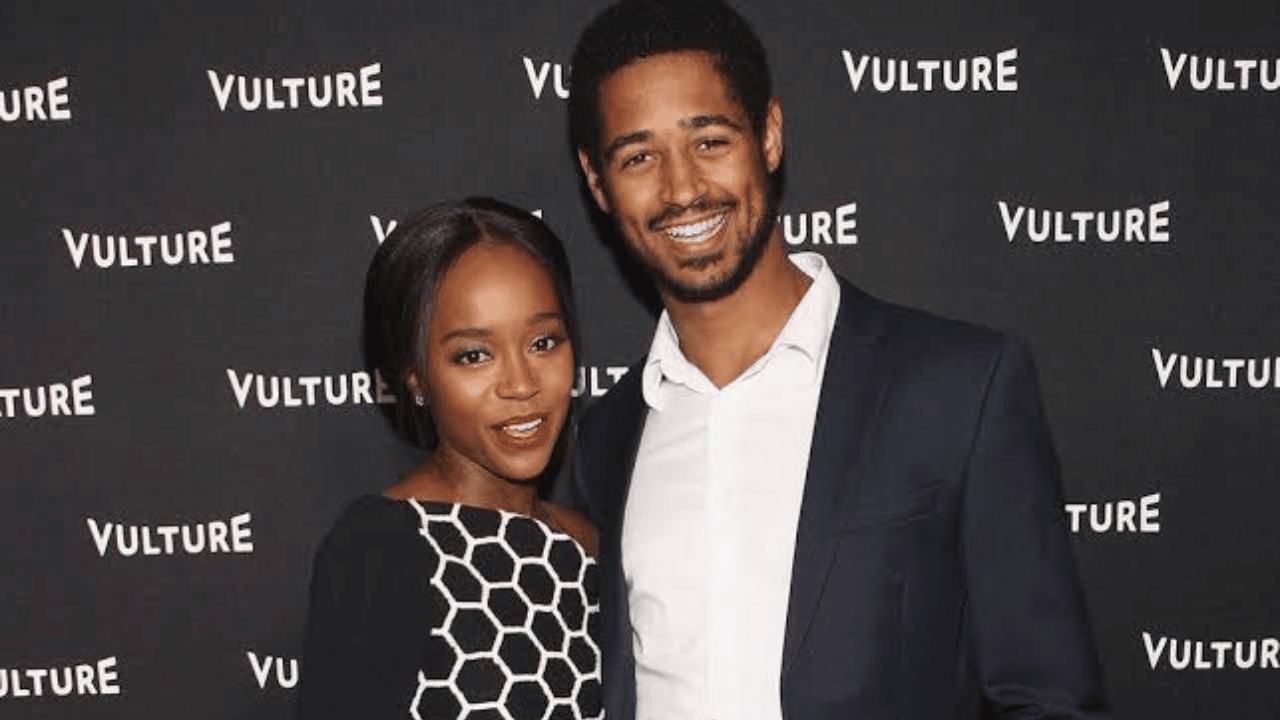
His son Alfred Enoch gained worldwide attention through the Harry Potter film series, where he played Dean Thomas, and through the American television drama How to Get Away with Murder, where he portrayed Wes Gibbins. The connection between father and son became an interesting part of William Russell’s biography because both built careers in acting, although their work reached different generations of audiences. They also appeared together in the Brazilian film Executive Order, creating a professional connection between their acting careers. Russell’s family life is often discussed by fans who discover him through Alfred Enoch’s biography.
The Connection Between William Russell and Alfred Enoch
The relationship between William Russell and Alfred Enoch is one of the most searched aspects of the older actor’s personal life. Alfred was born in 1988 and grew up with a British father and a Brazilian mother, which gave him connections to both British and Brazilian culture. His father’s established acting career meant that Alfred grew up in a family familiar with the performing arts, although he developed his own career and achieved recognition through different roles. Alfred’s work in Harry Potter and American television introduced him to audiences around the world.
Their shared appearance in Executive Order was a particularly interesting project because it brought them together professionally. The film explored a political and social story in Brazil, with Alfred playing Antônio Gama and William appearing in the production as well. Their collaboration was not simply a family connection but an opportunity for both actors to participate in a project linked to Alfred’s Brazilian background. It also highlighted William Russell’s willingness to continue working on films later in life.
William Russell’s Later Years and Final Appearance
William Russell remained involved in acting and Doctor Who-related projects throughout much of his later life. His work included audio drama, fan-focused productions, appearances connected to the programme’s anniversaries and television projects celebrating its history. He was part of a generation of performers whose original work helped establish British television programmes that remained popular for decades. His later appearances allowed audiences to see the connection between the show’s original cast and its modern productions.
His final television appearance as Ian Chesterton came in The Power of the Doctor in 2022. The return was meaningful because it reunited the character with the Doctor after many years and acknowledged the importance of the original companions. Russell’s longevity as a performer also made his career unusual, as he continued to work across several decades and remained connected to a role that audiences had first seen in the 1960s. His later years were marked by recognition from Doctor Who fans and the continued appreciation of his earlier work.
William Russell’s Death and Legacy
William Russell died on 3 June 2024 at the age of 99, leaving behind a long career in British entertainment. His death was widely reported, and tributes recognised his contribution to the original Doctor Who series and his work across television, film and theatre. He had been part of the programme from its earliest days, helping establish the relationship between the Doctor and the companions who travelled with him. His portrayal of Ian Chesterton remains one of the defining performances of the original series.
His legacy extends beyond one television character because he worked in a variety of productions and remained active for much of his life. The original Doctor Who episodes continue to be watched, discussed and preserved, introducing his performance to new viewers decades after it was first broadcast. His return in 2022 gave fans a final opportunity to see Ian Chesterton again and celebrate the actor who brought the character to life. William Russell is remembered as a performer whose career combined dedication to acting, theatre and a lasting connection with one of Britain’s most recognisable television programmes.
Conclusion
William Russell built a remarkable acting career that began long before Doctor Who and continued well into his later years. His role as Ian Chesterton made him part of television history, but his performances in adventure series, films, theatre and audio productions demonstrate that his professional life was much broader than one character. His family connection with Alfred Enoch also introduced his name to a new generation of viewers who discovered his work through his son’s career. From his early education and RAF service to his final Doctor Who appearance, Russell’s life reflects a long commitment to acting and a lasting contribution to British entertainment.
Frequently Asked Questions
1. Who was William Russell?
William Russell was a British actor best known for playing Ian Chesterton, one of the original companions of the Doctor in the BBC science-fiction series Doctor Who. He also appeared in films, theatre productions and many British television programmes during a career spanning more than seven decades.
2. What was William Russell’s real name?
His birth name was William Russell Enoch. He became professionally known as William Russell and also used the name Russell Enoch during parts of his acting career.
3. Who was William Russell’s wife?
William Russell married Balbina Gutierrez in 1953, and they later divorced. He married Etheline Margareth Lewis in 1984, and they remained married until his death in 2024.
4. Was William Russell the father of Alfred Enoch?
Yes, William Russell was the father of actor Alfred Enoch. Alfred became known for playing Dean Thomas in the Harry Potter films and Wes Gibbins in How to Get Away with Murder.
5. When did William Russell die?
William Russell died on 3 June 2024 at the age of 99. He was remembered for his work in Doctor Who, his long acting career and his contribution to British television and theatre.