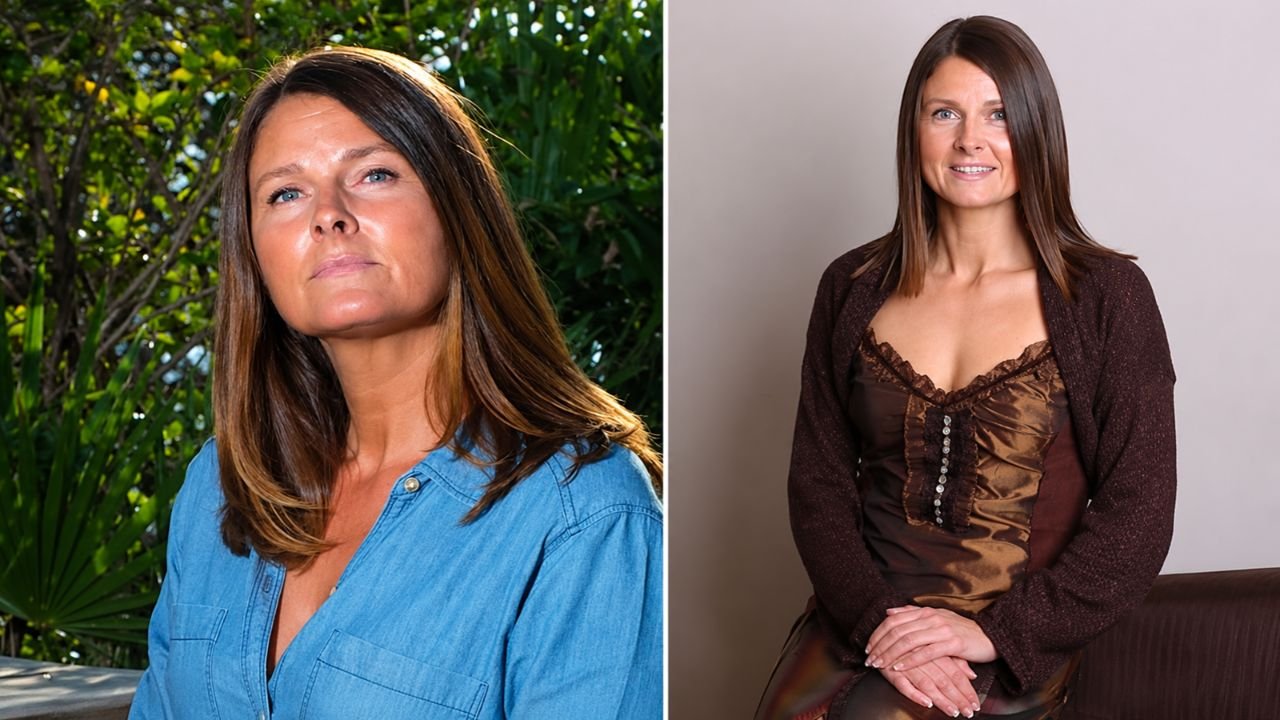










Stuart Matthewman is an English musician, songwriter, record producer and composer best known for his work with the band Sade. He has been a key part of the group’s sound since its formation, contributing saxophone, guitar, keyboards, programming and songwriting alongside Sade Adu, Andrew Hale and Paul Spencer Denman. His career, however, extends well beyond Sade, with major work alongside R&B singer Maxwell, the studio group Sweetback, film scoring and his electronic music project Cottonbelly. In 2026, Matthewman’s long career reached another major milestone when Sade was inducted into the Rock & Roll Hall of Fame.
Stuart Matthewman’s Early Life and Musical Beginnings
Stuart Colin Matthewman was born on August 18, 1960, in Hull, England. He moved to London in 1982, where he became involved with the Latin-funk group Pride and met singer Sade Adu. The two began writing songs together, creating the musical partnership that eventually became the foundation of Sade. Matthewman’s early work with Pride gave him an opportunity to develop his musicianship while also connecting him with the people who would shape his future career.
His musical identity developed around several instruments rather than one particular role. Stuart Matthewman became known for saxophone and guitar, but his recorded work has also included keyboards and programming. This versatility became important to the Sade sound, where melodic saxophone lines, understated guitar parts and carefully arranged electronic elements sit alongside Adu’s vocals. His career shows how a musician can have a major influence without always being the most visible person on stage.
How Stuart Matthewman Met Sade Adu
Stuart Matthewman’s connection with Sade Adu began when both were involved with Pride in the early 1980s. Matthewman was already working as a musician when he met Adu, and the pair began writing songs together. They later joined forces with bassist Paul Spencer Denman and keyboardist Andrew Hale, forming the group that became known simply as Sade. The four musicians remained closely associated with the band’s core lineup for decades.
The partnership between Matthewman and Sade Adu was important because the band’s music was built around collaboration rather than the work of a singer and unrelated session musicians. Matthewman contributed to songwriting, instrumentation and production while Adu became the distinctive voice and public face of the group. Their combined approach helped create the sophisticated blend of soul, jazz and R&B that became associated with Sade. That musical partnership has remained one of the central relationships in Matthewman’s career.
Stuart Matthewman’s Role in the Band Sade
Stuart Matthewman has been one of the most important musicians behind Sade’s sound. His saxophone work provides many of the band’s recognizable melodic passages, while his guitar and keyboard contributions help shape the texture of its recordings. He has also worked with programming and songwriting, giving him responsibilities that go far beyond simply performing an instrument. His contributions can be heard across the band’s major studio albums.
Matthewman’s work with Sade includes the group’s major releases:
- Diamond Life
- Promise
- Stronger Than Pride
- Love Deluxe
- Lovers Rock
- Soldier of Love
The band’s music has remained remarkably consistent despite the long gaps between albums. Matthewman’s instrumental contributions helped maintain the balance between jazz-influenced musicianship and accessible R&B songwriting. His ability to move between saxophone, guitar, keyboards and production allowed him to contribute at different stages of the recording process. That versatility is one reason Stuart Matthewman remains an important name in the history of Sade.
The Instruments Stuart Matthewman Plays
Stuart Matthewman is best described as a multi-instrumentalist. His best-known instruments are saxophone and guitar, but his recorded credits also include keyboards and MIDI programming. The saxophone is particularly important to Sade’s identity because its warm melodic lines often provide a counterpoint to Sade Adu’s restrained vocals. His guitar work adds another layer to the band’s arrangements without overwhelming the vocals.
His documented musical roles include:
- Saxophone
- Guitar
- Keyboards
- MIDI programming
- Songwriting
- Production
- Arranging and studio work
This combination of performance and production skills helped Matthewman become more than a touring musician. He was involved in shaping recordings from the studio as well as performing them live. His career outside Sade later showed the same pattern, with songwriting, production and composition becoming increasingly important parts of his work.
Stuart Matthewman and Sade’s Musical Success
Sade became one of the most successful groups to emerge from the British music scene during the 1980s. Their debut album Diamond Life introduced songs such as Smooth Operator and Your Love Is King, establishing the band’s distinctive sound internationally. Matthewman’s saxophone and guitar contributions were an important part of the polished but relaxed arrangements that made the album stand out. The success of Diamond Life helped launch a career that would eventually span more than four decades.
The band’s later albums expanded on that foundation without abandoning the qualities that had made them recognizable. Promise produced songs such as The Sweetest Taboo, while Love Deluxe included No Ordinary Love and Kiss of Life. Lovers Rock and Soldier of Love showed that the group could return after long periods away and still attract a large audience. Matthewman’s continued involvement helped give the band’s catalog a consistent musical identity.
Stuart Matthewman and Maxwell
One of the most interesting parts of Stuart Matthewman’s career outside Sade is his work with Maxwell. Matthewman met the relatively unknown singer in the mid-1990s and became involved with Maxwell’s early recordings. He co-produced, co-wrote and performed on Maxwell’s breakthrough album Maxwell’s Urban Hang Suite, released in 1996. He also contributed saxophone and guitar, helping shape the sophisticated R&B sound associated with the project.
Matthewman’s relationship with Maxwell continued beyond the first album. His work extended to albums including Embrya and Now, as well as later projects. This collaboration demonstrated that his production and songwriting abilities were not limited to Sade’s particular style. It also connected two influential strands of contemporary soul music, bringing some of the musicianship associated with Sade into Maxwell’s evolving R&B sound.
The Maxwell connection is particularly important when examining Stuart Matthewman as an independent artist. Someone who knows him only as the saxophonist and guitarist from Sade might not realize how much production and songwriting work he contributed to another major R&B career. His work with Maxwell helped establish him as a respected studio collaborator in his own right. It also gave him an opportunity to work with a different vocalist and a different approach to contemporary soul.
Sweetback and Stuart Matthewman’s Work Outside Sade
Stuart Matthewman also continued working with fellow Sade musicians Andrew Hale and Paul Spencer Denman. In the 1990s, the three formed Sweetback, a studio project that allowed them to explore instrumental and experimental ideas outside the main Sade format. Sweetback released its self-titled debut album in 1996 and later followed it with Stage 2 in 2004. The project featured guest vocalists and explored sounds connected with soul, jazz, dub and electronic music.
Sweetback gave Matthewman a different creative environment from Sade. Instead of working around a single lead vocalist, the project could change its approach depending on the guest artist and the material. Maxwell was among the artists connected with the project, creating another link between Matthewman’s work with Sade and his broader R&B career. Sweetback therefore became an important part of understanding what Matthewman was doing when he was not recording or touring with Sade.
What Is Cottonbelly?
Stuart Matthewman has also worked under the name Cottonbelly. This alias became associated with his electronic and dub-influenced work, including the album X Amounts of Niceness, released in 2010. He also worked on remixes and production for other artists, showing another side of his musical interests. The Cottonbelly name is useful when researching his career because some of his work appears under that identity rather than under Stuart Matthewman.
His Cottonbelly work reflects the broader musical interests that have appeared throughout his career. While Sade is known for polished soul and R&B, Matthewman’s independent work has allowed him to explore electronic textures, dub and downtempo sounds. His willingness to work across different genres helps explain why his career has remained active beyond the band’s major album cycles. It also demonstrates that his musical interests are considerably broader than his work with Sade alone.
Stuart Matthewman as a Film Composer
Film composition became another important part of Matthewman’s career. He has composed music for films including Twin Falls Idaho, Northfork, The Astronaut Farmer and the television movie Life Support. He also worked on other film projects such as Jackpot and The Double. This side of his career allowed him to use atmosphere and instrumental arrangement in a different way from traditional album production.
Film scoring requires music to support a story without competing with the images or dialogue. That makes it a natural extension of Matthewman’s work with mood, texture and restrained arrangements. His experience with Sade had already taught him the value of leaving space within a recording, and that quality can also be useful when composing for film. His soundtrack work therefore represents a logical expansion of his skills rather than a completely separate career.
Stuart Matthewman and Twin Danger
Another lesser-known project in Matthewman’s career was Twin Danger, which he formed with singer and songwriter Vanessa Bley. The group explored a darker jazz-influenced sound and released a self-titled album through Decca and Universal. The project demonstrated Matthewman’s continued interest in combining sophisticated instrumental arrangements with distinctive vocal performances. It also gave him another opportunity to work outside the familiar Sade framework.
Twin Danger is worth mentioning because it reinforces a larger point about Matthewman’s career. He has repeatedly moved between established projects and more experimental collaborations instead of remaining tied to one musical identity. Sade remains his most famous association, but projects such as Sweetback, Cottonbelly and Twin Danger show that his creative interests extend much further. These projects also make his biography more complete than a simple account of his role in Sade.
Stuart Matthewman’s Grammy Awards and Recognition
Stuart Matthewman has received four Grammy Awards through his work with Sade. His Grammy record includes the group’s Best New Artist victory and later awards connected with No Ordinary Love, Lovers Rock and Soldier of Love. He has also received multiple Grammy nominations for other Sade recordings and projects. These awards reflect the long-term critical and commercial recognition surrounding the band’s music.
His Grammy-recognized work includes:
- Best New Artist with Sade
- Best R&B Performance by a Duo or Group With Vocals for No Ordinary Love
- Best Pop Vocal Album for Lovers Rock
- Best R&B Performance by a Duo or Group With Vocals for Soldier of Love
The awards also show why it is misleading to describe Matthewman as simply a supporting musician. His contributions have been part of recordings that received some of the industry’s highest honors. His songwriting, production and instrumental work have continued to appear across Sade’s catalog. That combination of skills has made him one of the most important creative figures behind the group.
Stuart Matthewman and the 2026 Rock & Roll Hall of Fame
In 2026, Sade was inducted into the Rock & Roll Hall of Fame in the Performer category. Stuart Matthewman was inducted alongside Sade Adu, Andrew Hale and Paul Spencer Denman as a member of the group. The recognition places Matthewman among the musicians whose work with Sade has had a lasting impact on popular music. The band’s six studio albums have sold more than 50 million copies, according to the Rock & Roll Hall of Fame.
The 2026 induction is especially meaningful because Sade’s original core lineup has remained remarkably stable since its formation. Matthewman’s role has therefore been part of the band’s identity from its early days through its later releases. The honor also gives greater recognition to the musicians behind the group’s public image, including the instrumentalists and writers who helped create its signature sound. For Stuart Matthewman, it represents another major achievement in a career that extends well beyond one band.
Stuart Matthewman’s Influence on R&B and Soul Music
Matthewman’s influence is easiest to understand through the artists and projects with which he has worked. His music with Sade helped establish a style built around smooth vocals, understated arrangements and memorable instrumental passages. His later work with Maxwell connected him to another generation of influential R&B music. His production, songwriting and composition work also allowed him to contribute to music outside the traditional boundaries of soul and pop.
His career demonstrates the value of musicians who work behind the scenes as much as those who occupy the spotlight. Sade Adu is the instantly recognizable voice of Sade, but Matthewman’s contributions to the band’s sound are difficult to separate from its identity. His saxophone melodies, guitar parts, songwriting and production work have helped create recordings that remain popular decades after their release. His career is therefore a useful example of how a multi-instrumentalist can shape popular music without becoming the primary public figure.
Where Is Stuart Matthewman Now?
Stuart Matthewman remains associated with music through his work as a musician, songwriter, producer and composer. His official career record shows activity across Sade, Sweetback, film composition and independent production. He has maintained a much lower public profile than many performers, preferring to let his work speak for itself. The 2026 Rock & Roll Hall of Fame induction has nevertheless brought renewed attention to his contribution to Sade.
There is considerably more reliable information available about Matthewman’s professional work than his private life. Details about his personal relationships, family and day-to-day activities are not central to his documented career. For readers researching Stuart Matthewman, the strongest material is therefore his music, collaborations, songwriting and production history. His extensive credits provide a clearer picture of his career than unsupported celebrity-profile claims.
Frequently Asked Questions About Stuart Matthewman
1. Who is Stuart Matthewman?
Stuart Matthewman is an English musician, songwriter, record producer and composer best known as a guitarist and saxophonist in the band Sade. He has also worked with Maxwell, Sweetback and other artists.
2. What instruments does Stuart Matthewman play?
Stuart Matthewman is known for playing saxophone and guitar, while his recorded work also includes keyboards and MIDI programming. His career combines instrumental performance with songwriting and production.
3. Is Stuart Matthewman a member of Sade?
Yes. Stuart Matthewman is one of the four core members of Sade, alongside Sade Adu, Andrew Hale and Paul Spencer Denman. He has been involved with the group since its early formation.
4. Did Stuart Matthewman work with Maxwell?
Yes. Stuart Matthewman worked extensively with Maxwell, contributing as a producer, songwriter and musician. His credits include work on Maxwell’s Urban Hang Suite, Embrya and Now.
5. Is Stuart Matthewman in the Rock & Roll Hall of Fame?
Yes. Stuart Matthewman was inducted into the Rock & Roll Hall of Fame in 2026 as a member of Sade. He was inducted alongside Sade Adu, Andrew Hale and Paul Spencer Denman.
Conclusion
Stuart Matthewman has built a career that reaches far beyond his role in Sade. His work as a saxophonist, guitarist, songwriter and producer helped create the sound that made Sade one of the most enduring groups in modern soul and R&B. His collaborations with Maxwell, his work with Sweetback, the Cottonbelly project and his film compositions reveal a musician who has continually explored new creative directions. The 2026 Rock & Roll Hall of Fame induction provides further recognition of his contribution to Sade and to popular music. For anyone researching Stuart Matthewman, his story is best understood not as that of a background band member, but as a versatile musician whose work has influenced several important areas of contemporary music.