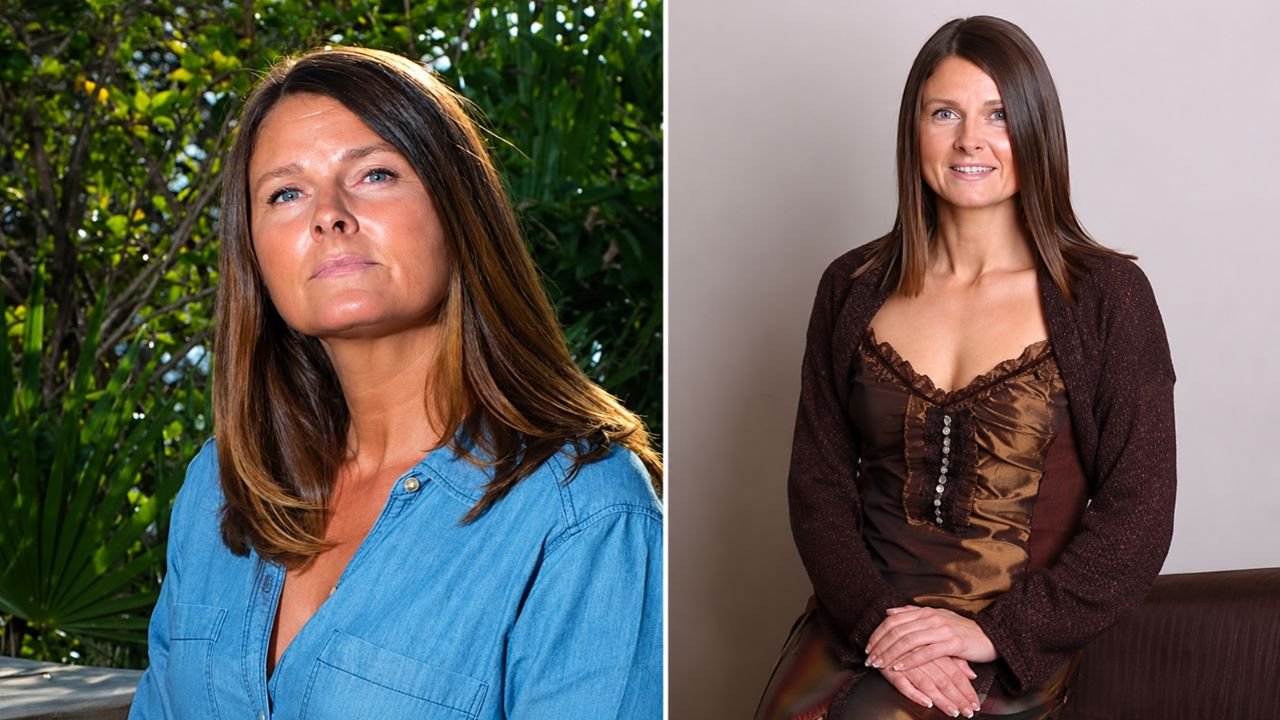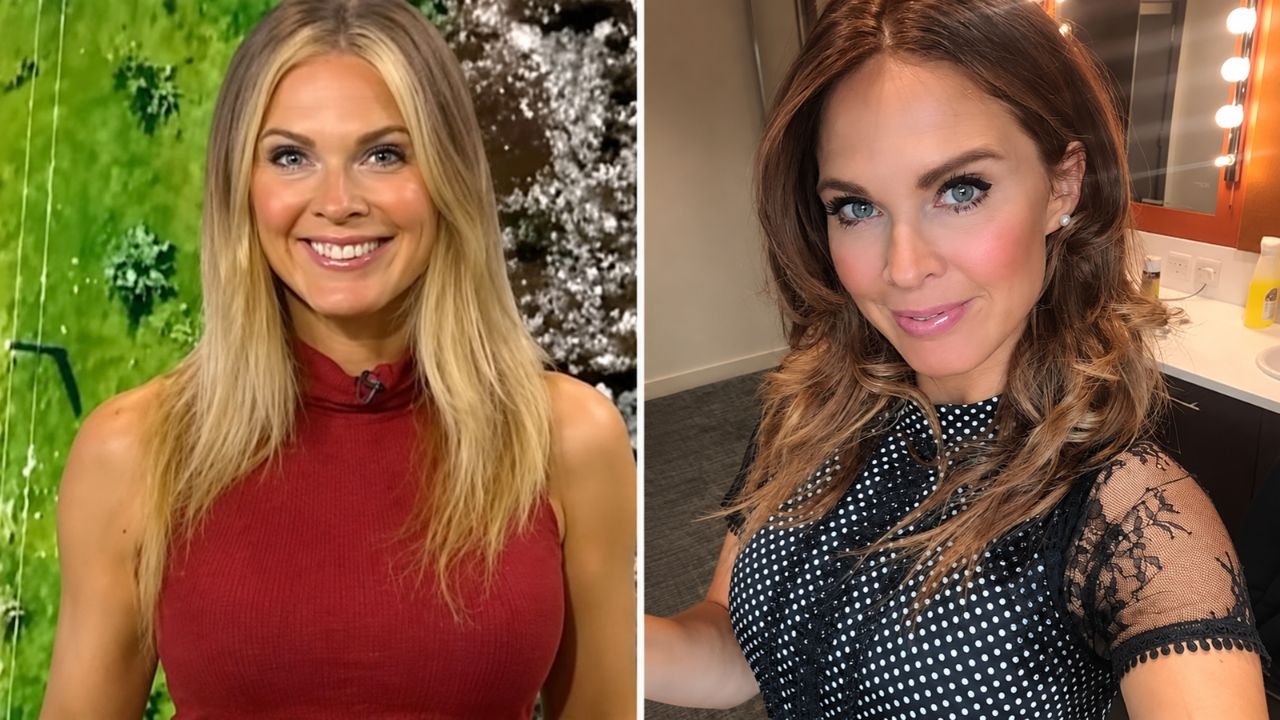








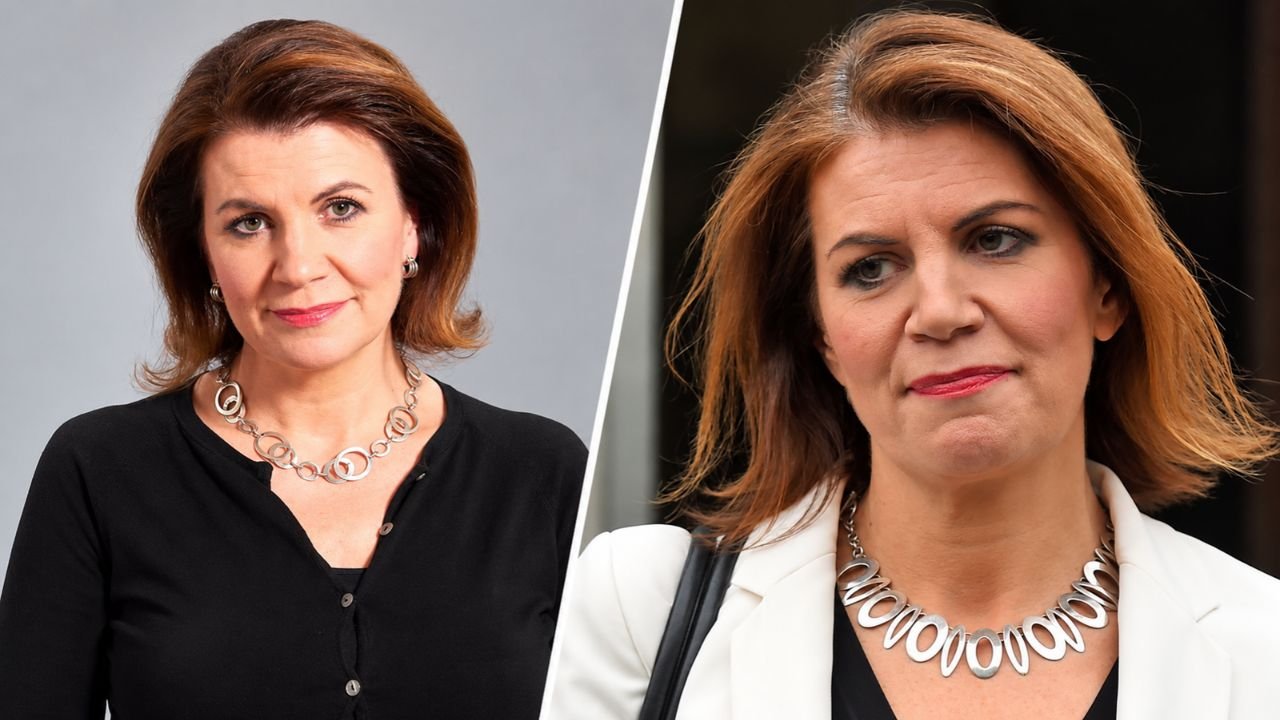
Julia Hartley-Brewer is a British journalist, broadcaster, political commentator and newspaper columnist who has built a long career across print journalism, radio and television. Born in Birmingham in 1968, she entered journalism during the 1990s and gradually moved from local newspaper reporting into national political journalism. Her career has included important positions at publications such as the London Evening Standard, The Guardian and the Sunday Express. She later became a familiar voice in British radio and television, particularly through her work with LBC, TalkRadio and TalkTV.
Her professional journey is notable because it has developed across several different areas of the media industry rather than following a single path. She has worked as a reporter, political correspondent, political editor, columnist, television presenter and radio host. Alongside her broadcasting career, she has continued to write and comment on British politics and current affairs. Her long experience in journalism has made Julia Hartley-Brewer a recognizable figure in the UK’s political and broadcasting landscape.
Early Life and Background
Julia Hartley-Brewer was born on 2 May 1968 in Birmingham, England. Her early family background included a connection to politics through her father, Michael Hartley-Brewer, who was involved in British political life and stood as a Labour candidate. Her mother, Valerie Forbes Hartley-Brewer, trained as a general practitioner, giving Julia a family background that combined public service, politics and professional life. Her parents later divorced, and her mother played an important role in raising the children.
Growing up in this environment gave Julia exposure to subjects that would later become central to her professional interests. Politics, public affairs and social issues became recurring themes throughout her journalism career. However, her eventual path into journalism was not simply the result of her family background. She developed her own professional identity through newspaper reporting and political journalism before becoming widely known as a broadcaster.
Julia Hartley-Brewer Education
Education played an important role in preparing Julia for a career that would combine journalism with political analysis. She attended Magdalen College at the University of Oxford, where she studied Philosophy, Politics and Economics. The subject is closely connected with public affairs and provides a broad academic foundation in politics, economics, society and government. Her Oxford education therefore fits naturally with the political journalism that became a major part of her later career.
Her academic background also helped provide a foundation for understanding complex political issues and communicating them to a general audience. Journalism ultimately became her chosen profession, but her university studies gave her a strong grounding in subjects that frequently appear in political reporting. Rather than moving directly into broadcasting, she began her career through traditional newspaper journalism. This route allowed her to develop reporting experience before becoming a recognizable media personality.
Beginning of Her Journalism Career
Julia Hartley-Brewer began her journalism career with the East London Advertiser in Bethnal Green. Working for a local newspaper gave her experience with the practical side of reporting, including finding stories, speaking with sources and covering events that directly affected local communities. Local journalism is often demanding because reporters must develop stories with limited resources while maintaining close relationships with readers and sources. This early experience provided a useful foundation for her later work at major national publications.
Her career soon progressed beyond local reporting. She moved to the London Evening Standard, where she worked as a reporter and later developed a stronger focus on political journalism. The move represented an important step because the Evening Standard provided exposure to major London institutions, politicians and national political developments. Her experience there helped establish the reporting background that would eventually lead to senior editorial positions.
London Evening Standard Career
At the London Evening Standard, Julia Hartley-Brewer developed her reputation as a journalist with an interest in politics and public affairs. She worked as a news reporter before becoming a political correspondent. Political correspondence requires journalists to follow government activity, parliamentary developments, political parties and the individuals who influence public policy. The role gave her an opportunity to build contacts and understand the workings of British politics from inside the media environment.
Her time at the Evening Standard was an important stage in her transition from general reporting to specialist political journalism. It also helped establish a pattern that would continue throughout her career, with journalism remaining closely connected to politics and public debate. Rather than concentrating exclusively on one type of story, she developed experience across reporting and commentary. This combination later became useful when she moved into columns, television and radio.
Years at The Guardian
After her work at the Evening Standard, Julia Hartley-Brewer joined The Guardian. Her time there added another significant national newspaper to her professional background and gave her experience working within one of Britain’s best-known newspapers. She remained at the publication until around 2000, continuing to develop her skills as a journalist. Her work during this period contributed to the broader experience that would later support her transition into senior political journalism and broadcasting.
The Guardian stage is significant because it came before one of the most important editorial positions of her career. By this point, she had already gained experience in local journalism, London reporting and national newspaper work. Each stage added another layer to her professional development. Her career was therefore progressing steadily rather than appearing suddenly when she became a radio presenter.
Sunday Express and Political Editor Role
Julia later joined the Sunday Express, where her career moved further toward senior political journalism. She worked as a political correspondent before becoming the newspaper’s political editor. The position placed her at the center of political reporting and required regular engagement with senior politicians, political parties and major national issues. She also worked as a columnist, giving her an opportunity to express analysis and opinions alongside traditional reporting.
Her period as political editor was one of the most significant stages in her newspaper career. It demonstrated that she had moved from reporting individual stories to occupying a senior editorial position within a national newspaper. The experience also strengthened her public profile among people interested in British politics. Her later broadcasting career benefited from this established reputation as a political journalist.
Television Documentary Work
Julia Hartley-Brewer’s career has not been limited to newspapers and radio. She also worked on television documentaries that explored British political roles and institutions. Among the programmes associated with her are Every Prime Minister Needs a Willie and The Worst Job in Politics. These projects allowed her to use her journalism experience in a television format while examining the responsibilities and challenges associated with important political positions.
Her television documentary work demonstrates the breadth of her broadcasting experience. Instead of appearing only as a guest discussing political events, she also took on roles involving presentation and narration. This added another dimension to her career and helped establish her as a broadcaster as well as a newspaper journalist. Her later television appearances can therefore be viewed as part of a longer progression rather than a completely separate career.
Julia Hartley-Brewer and LBC
Radio became another major part of Julia’s professional journey when she joined LBC. She presented a daily programme for several years, developing her ability to discuss breaking news and political issues in a live broadcasting environment. Radio requires a different approach from newspaper journalism because presenters must respond quickly to developments and communicate clearly without the editing process available in print. Her experience as a political journalist provided a strong foundation for this format.
Her LBC career helped establish her as a recognizable broadcaster beyond the newspaper industry. It also gave her experience interacting with listeners and conducting political interviews in real time. These skills became increasingly important as she moved into larger broadcasting roles. The period was therefore an important bridge between her newspaper career and the later TalkRadio and TalkTV years.
TalkRadio Career
Julia Hartley-Brewer later became closely associated with TalkRadio. She initially presented the station’s weekday mid-morning programme before moving to the breakfast slot in 2018. The breakfast programme placed her at the center of a schedule focused heavily on news, politics and current affairs. Her experience as a newspaper political editor and LBC presenter made the transition into this role a natural development in her broadcasting career.
TalkRadio also gave her a platform to develop a distinctive broadcasting style. Political radio depends heavily on interviews, discussion, audience reaction and the ability to respond to fast-moving stories. Her programmes regularly addressed major developments in British politics and wider public affairs. This period played a major role in establishing her current reputation as a political broadcaster.
TalkTV and Her Broadcasting Career
When the Talk brand expanded its television and digital presence, Julia Hartley-Brewer remained an important presenter. Her work became associated with TalkTV as well as TalkRadio, allowing her political interviews and commentary to reach audiences across different formats. Her broadcasting career has consequently extended beyond traditional radio into television and digital media. This reflects the changing nature of modern news broadcasting, where programmes can reach viewers and listeners through multiple platforms.
Her connection with TalkTV is also particularly relevant to her professional relationship with other journalists. Sophia Wenzler, for example, has been associated with the production side of Julia Hartley-Brewer’s Breakfast Show. This provides a direct professional connection between the two journalists and makes Julia an especially relevant subject for readers who have already encountered Sophia’s career story.
Television Appearances
Throughout her career, Julia Hartley-Brewer has appeared on a wide range of British television programmes. Her credits include political and current-affairs programmes as well as entertainment formats. She has appeared on programmes such as Question Time, Have I Got News for You, The Andrew Marr Show, This Morning and Good Morning Britain. These appearances have helped introduce her journalism and commentary to audiences beyond her regular radio programmes.
Her television work also demonstrates her ability to operate in different formats. Political programmes require detailed discussion of current events, while entertainment and panel programmes can involve shorter and more spontaneous contributions. Her appearances on different types of programmes have contributed to her wider public profile. They also show how her career has developed beyond the traditional newspaper journalist role.
Some of her television work has involved political documentaries, while other appearances have placed her in the role of a commentator or guest. This variety is useful when understanding her overall career because she has not been limited to one broadcasting format. Her television presence has developed alongside her radio and writing work. As a result, Julia Hartley-Brewer has maintained a multi-platform career for many years.
Writing and Political Commentary
Writing has remained an important part of Julia’s career even as broadcasting became more prominent. Her journalism and opinion pieces have appeared across several major British publications, including The Guardian, The Independent, The Spectator and other national newspapers. Her writing has covered politics, public policy, social issues and current affairs. This continued writing work means that her professional identity extends beyond her role as a radio presenter.
Her commentary often focuses on subjects that generate strong public debate. British elections, government policy, political parties, social questions and issues surrounding freedom of expression have all featured in her public work. Because she works across both journalism and broadcasting, she can approach these subjects through written columns as well as live discussion. This combination has become one of the defining features of her professional profile.
Julia Hartley-Brewer Husband and Family
Julia Hartley-Brewer is married to Rob Walton, and public biographical information states that they have one daughter. She has generally kept her family life more private than her professional activities. As a result, her career, journalism and broadcasting work are much more extensively documented than the personal details of her family. This is worth keeping in mind when discussing her private life.
Her family background and her own professional life should also be treated as separate parts of her biography. Her parents had connections with medicine and politics, but Julia established her own career through journalism. Her marriage and motherhood are part of her personal biography, while her newspaper and broadcasting work form the central part of her public career. There is therefore enough information to discuss her family without speculating about private matters that have not been reliably established.
Julia Hartley-Brewer’s Approach to Political Broadcasting
A major feature of Julia’s broadcasting career is her focus on political discussion and current affairs. Her programmes frequently involve interviews with politicians, commentators and people connected to major news stories. Live broadcasting requires presenters to react quickly when new information emerges, particularly during elections, political crises and major national debates. Her long experience in political journalism gives her a background that suits this fast-moving environment.
Her style has also contributed to her recognition as a broadcaster. Political interviewers often have to balance preparation with the ability to challenge guests and follow unexpected developments. Julia’s years in newspaper political journalism provided experience in questioning politicians and understanding political narratives. That background has remained relevant as she has moved between newspapers, radio, television and digital broadcasting.
Notable Public Controversies
Because Julia Hartley-Brewer has spent much of her career discussing politics and contentious public issues, some of her interviews and comments have attracted significant attention. One widely reported incident involved Conservative politician Michael Fallon, with Julia publicly discussing an incident from 2002 involving unwanted physical contact. The account became part of the wider political discussion surrounding sexual harassment in Westminster in 2017. The incident is an example of how her professional position has sometimes intersected with major national conversations.
Another highly publicized episode involved a TalkTV interview with Palestinian politician Mustafa Barghouti in 2024. The interview generated a large number of complaints to the UK’s broadcasting regulator. Such incidents illustrate the scrutiny that comes with political broadcasting, particularly when presenters interview guests about highly sensitive international or domestic issues.
These controversies should be understood within the broader context of her broadcasting career rather than defining her entire biography. Julia has spent decades working in journalism, and controversial interviews represent only part of that professional history. A balanced biography should acknowledge significant public events while also covering her education, newspaper career, radio work and television appearances. This provides readers with a more complete understanding of her career.
Julia Hartley-Brewer’s Career Across Different Media
One of the most interesting aspects of Julia’s career is the number of different media formats she has worked in. Her professional experience includes local newspapers, national newspapers, political editing, opinion writing, documentary television, live radio and television broadcasting. Each stage required a different set of communication skills. Together, these experiences explain why she has remained active in British journalism for decades.
Her career can be broadly understood through several stages:
- Local newspaper reporting at the beginning of her career
- Political reporting at the London Evening Standard
- Journalism at The Guardian
- Political editing and columns at the Sunday Express
- Television documentary work
- Daily radio broadcasting with LBC
- TalkRadio presenting
- TalkTV broadcasting
- Continued newspaper and magazine commentary
This progression also demonstrates why describing her simply as a radio presenter would overlook much of her professional history. Her background is rooted in journalism, with broadcasting becoming an increasingly important part of her work. The combination of reporting, editing, writing and presenting has shaped her public identity.
Julia Hartley-Brewer’s Place in British Journalism
Julia Hartley-Brewer belongs to a generation of British journalists who moved from traditional newspaper reporting into increasingly diverse forms of broadcasting. She began when newspapers were still the dominant route for political journalism and later developed a career in radio, television and digital media. This transition has allowed her to remain relevant as audiences have changed how they consume news. Her career therefore reflects some of the broader changes that have taken place in British journalism.
Her long experience also gives her a perspective that comes from working in several parts of the media industry. She has reported stories, edited political coverage, written columns, presented programmes and interviewed public figures. Each position has contributed to her understanding of political communication and media reporting. That breadth is one of the strongest features of her biography.
Frequently Asked Questions
Who is Julia Hartley-Brewer?
Julia Hartley-Brewer is a British journalist, broadcaster, political commentator and columnist. She has worked for major newspapers and broadcasters, including the London Evening Standard, The Guardian, Sunday Express, LBC, TalkRadio and TalkTV. Her career has focused heavily on British politics and current affairs.
How old is Julia Hartley-Brewer?
Julia Hartley-Brewer was born on 2 May 1968. Her birthplace is Birmingham, England. Her long journalism career began in the 1990s and has continued across newspapers, radio and television.
Where did Julia Hartley-Brewer study?
Julia Hartley-Brewer studied Philosophy, Politics and Economics at Magdalen College, University of Oxford. Her academic background gave her a strong foundation in politics and public affairs. She later developed her professional expertise through journalism and political reporting.
Who is Julia Hartley-Brewer’s husband?
Julia Hartley-Brewer is married to Rob Walton. Public biographical information states that they have one daughter. She generally keeps detailed information about her family away from the main focus of her public career.
What is Julia Hartley-Brewer known for?
Julia Hartley-Brewer is best known for her career as a journalist, political commentator and broadcaster. She has held senior newspaper positions, including political editor at the Sunday Express, and has presented programmes for LBC and TalkRadio. She is also known for her television appearances and political interviews.
Conclusion
Julia Hartley-Brewer has built a diverse career that stretches from local newspaper journalism to national political reporting and modern broadcasting. Her professional journey includes major newspapers, political editing, television documentaries, LBC radio, TalkRadio and TalkTV. Her education, journalism experience and long involvement in political reporting have all contributed to her position as a recognizable British broadcaster. Rather than being defined by a single job, her career is best understood as a combination of journalism, writing, political commentary and broadcasting.
Her biography also demonstrates how a journalist can adapt as the media industry changes. She began in traditional newspaper reporting, developed expertise in political journalism, and eventually moved into live radio and television. Her public profile has grown through interviews, commentary and appearances across several major programmes. For readers interested in British journalism, Julia Hartley-Brewer’s career offers a detailed example of how experience across different media can shape a long-lasting broadcasting career.